Tag: education

الجلسة-الثالثة-001
News

The Third Session of the National Education Conference Discusses Key Roles in Facing Educational Challenges Amid Crisis and War

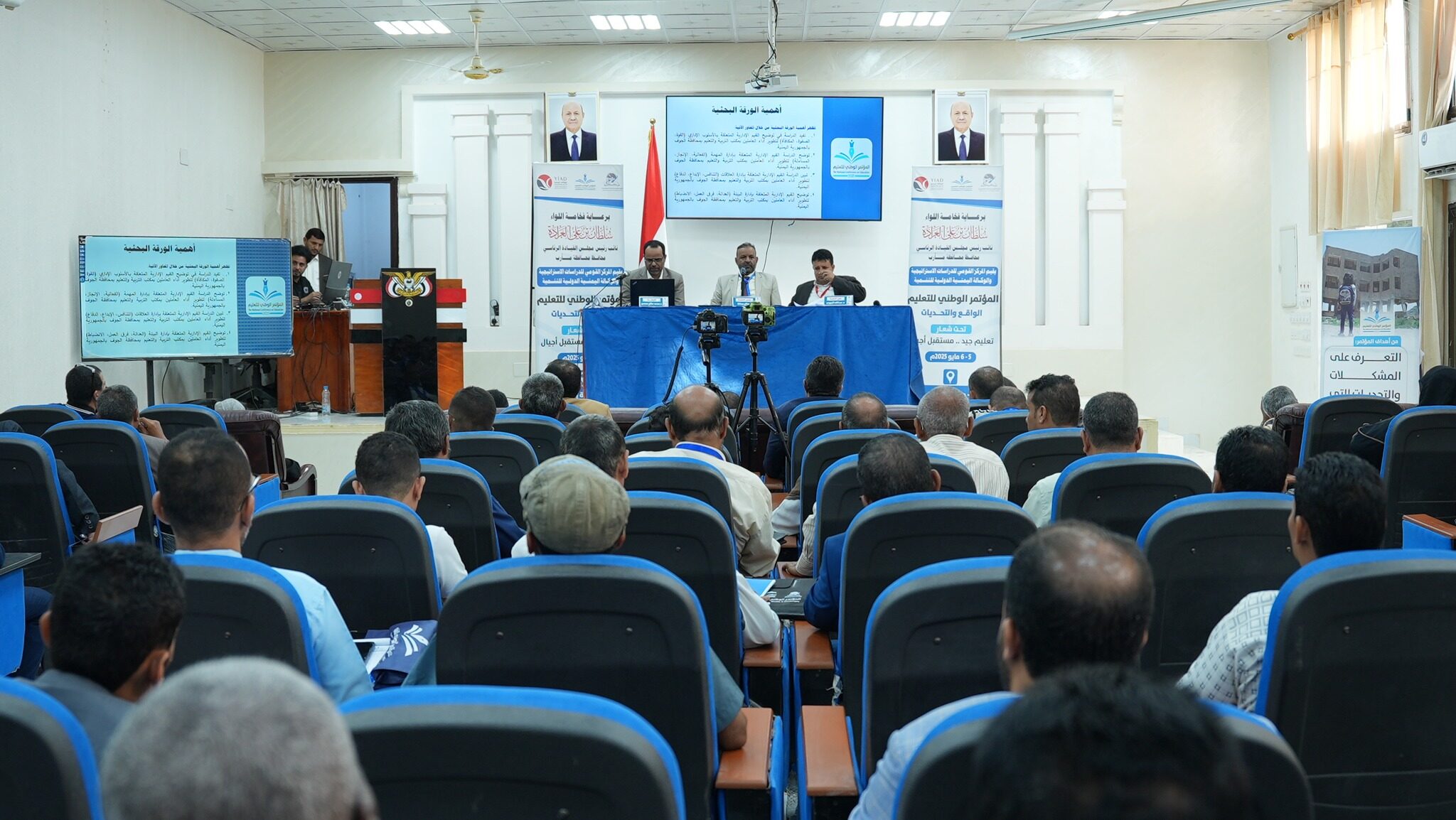
As part of the activities of the National Education Conference – Reality and Challenges, the third session featured an in-depth discussion on effective roles in addressing the challenges faced by the education sector amid crisis and war. The session brought together a distinguished group of academics and experts in education and pedagogical reform.

The session began with a presentation by Mr. Saleh Ahmed Masad Al-Darrab, General Director of Al-Amal Modern Schools, who delivered a research paper on the role of private education as a vital actor in sustaining the educational process during times of crisis. He highlighted the efforts of the private sector in bridging educational gaps and offering alternative and flexible models to ensure education reaches various societal segments.

Dr. Askar Mohammed Ali Jerad, a visiting professor at Muhammadiyah University in Indonesia, presented a scientific paper focusing on the role of assessment and evaluation in educational reform. He emphasized the importance of adopting modern evaluation methods that align with educational developments and contribute to enhancing the quality of education and guiding educational policies effectively.

Dr. Ali Mohammed Abdullah Akhwajah, Assistant Professor of Educational Technology and Head of the Curriculum and Instruction Department at Saba Region University, presented a research paper on the integration of modern technology in education. He shed light on the opportunities that technology offers in developing learning environments and enhancing interaction and creativity inside and outside the classroom.

The session emphasized the importance of diversifying roles and partnerships among different sectors, including the private sector and academic institutions, to arrive at innovative and sustainable educational solutions that align with reality and meet students’ needs under various circumstances.

The third session marked a pivotal moment in the conference, highlighting the need for synergy between local and international expertise, and the importance of investing in assessment, evaluation, and technology to guide the future of education in Yemen toward a better direction.

00001-1
News

First Session of the National Education Conference Sheds Light on Current Challenges and Ways to Advance the Education Sector in Yemen

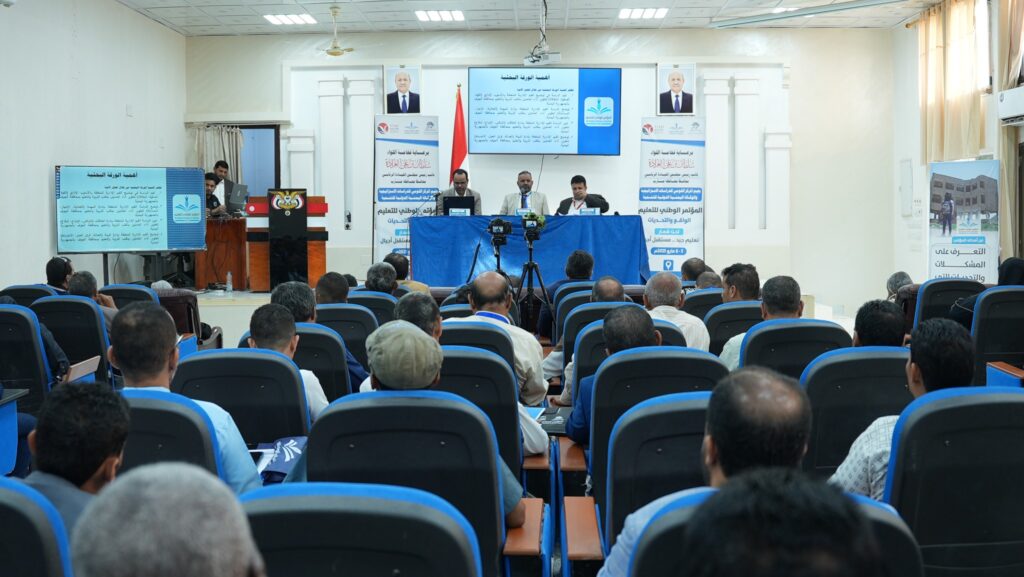
The first session of the National Education Conference – Reality and Challenges kicked off this morning, organized by the Yemen International Agency for Development in partnership with the National Center for Studies, with the participation of prominent academics, experts, and educational stakeholders from both inside and outside Yemen.

This session addressed a range of critical topics reflecting the reality of education in Yemen and explored ways to develop the sector amid ongoing challenges.

In his speech, Dr. Ali Al-Abbab, Deputy Minister of Education, reviewed the current status of education in the country, highlighting the government’s efforts to support and develop the sector despite the war and political divisions.

Professor Dawood Al-Hadhabi, a Yemeni researcher and international lecturer, presented a paper emphasizing the importance of developing modern and dynamic curricula as a key entry point to reforming the education system and achieving high-quality learning outcomes.

On the theme of emergency education, Mr. Ayman Qwaider, representative of the Inter-agency Network for Education in Emergencies (INEE), discussed the standards and principles of education in humanitarian settings, focusing on the main challenges facing their implementation in the Yemeni context.

Dr. Mohammed Haza’a Bakrin, Director of Education at the Kuwait-based Rahma International Society, showcased the organization’s educational interventions in Yemen, stressing the importance of integrated efforts among education-focused organizations.

Dr. Khamis bin Obeid, President of the Arab Union for Private Schools in Oman, discussed the role of private schools in Yemen, emphasizing the potential of partnering with them to add value to the educational process, while also warning of educational risks in the absence of regulation and oversight.

This session marked a dynamic start to the conference, opening the door to in-depth discussions on the reality of education and the development of realistic, sustainable solutions that respond to the needs of Yemen’s education sector.

01-scaled
News

Second Session of the National Education Conference Discusses the Impact of War on Education and Its Psychological and Societal Repercussions

The National Conference on Education – Reality and Challenges, continued its activities on its first day in the city of Marib. The second session was dedicated to discussing the impact of the war on the education sector in Yemen, with the participation of a group of researchers and specialists in education and human rights issues.

The session began with an intervention by Mr. Fahmi Al-Zubairi, Director General of the Human Rights Office in the Capital Secretariat, who presented a comprehensive overview of the challenges facing education during the war. He also reviewed the most prominent violations affecting students and teachers, along with proposed solutions to help reduce the sector’s deterioration.
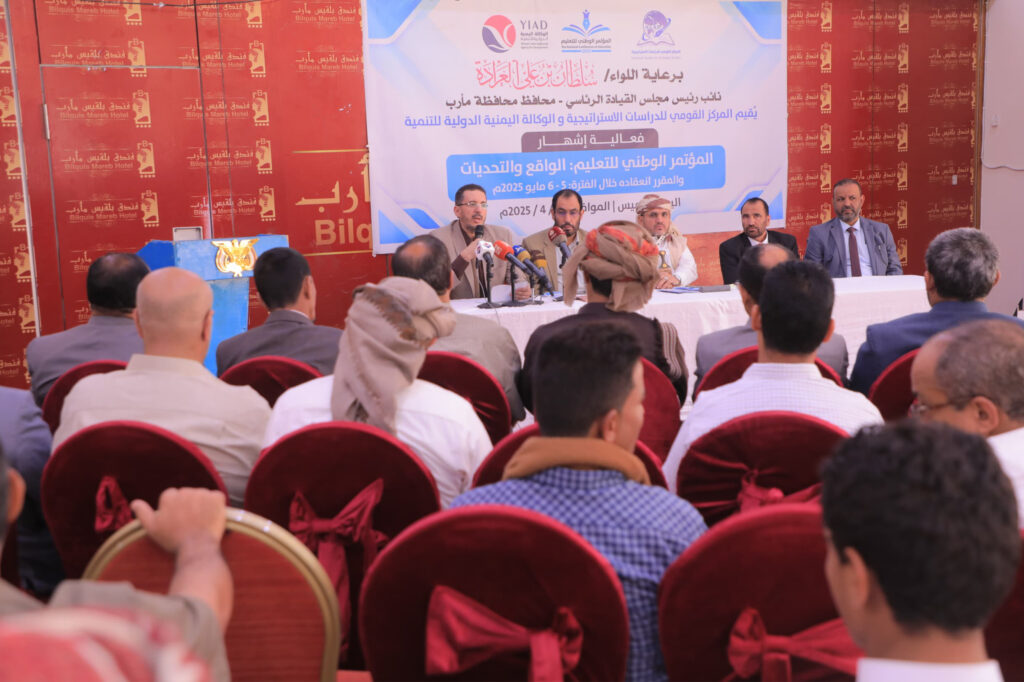
Dr. Jamil Mohammed Ahmed Al-Hosaini, Associate Professor at the University of Taiz, addressed the issue of student dropout as a result of the war. He warned of its long-term social and economic consequences and called for urgent interventions to contain this escalating phenomenon.

In the same context, Dr. Mohammed Al-Azaki, Head of the Union of Unappointed Yemeni Academics, presented a research paper on the challenges of updating educational curricula in Yemen. He highlighted the gap between the current situation and the future visions for developing educational content and curricula.

Mr. Abdullah Al-Mash, Head of Planning and Programs at the National Center for Strategic Studies, focused on the deep psychological effects of war on general education students. He stressed the need for specialized psychological and educational support programs that take these effects into account and help reduce their impact on the educational environment.

This session provided rich insights and deep analysis that contribute to a broader understanding of the consequences of war on education and opened the door for discussing applicable solutions to restore the educational path and ensure a safe and stable learning environment for all students in Yemen.

00002
News

National Education Conference Launched in Marib under the Theme “Reality and Challenges”

The Yemen International Agency for Development, in partnership with the National Center for Studies, launched today in the city of Marib the National Education Conference under the title “Education in Yemen: Reality and Challenges,” with the participation of a group of academics, experts, and specialists in the educational field from various Yemeni governorates.

The conference aims to shed light on the deep challenges facing the education sector in Yemen and to explore practical solutions to improve the educational process in light of the current circumstances. It also seeks to foster a comprehensive national dialogue that enhances cooperation and integration among stakeholders in the education sector.

The conference includes a series of scientific sessions and workshops covering key issues such as education quality, infrastructure challenges, the status of teachers, educational policies, and the role of active actors in developing the sector.

This conference represents a significant step towards building an integrated national vision for the advancement of education, bringing together decision-makers, researchers, and field practitioners to discuss reform priorities and improve education outcomes in Yemen.

نزهة-الطلاب-المتفوقين-02
News

Outstanding Students Enjoy a Recreational Day Away from the Classroom

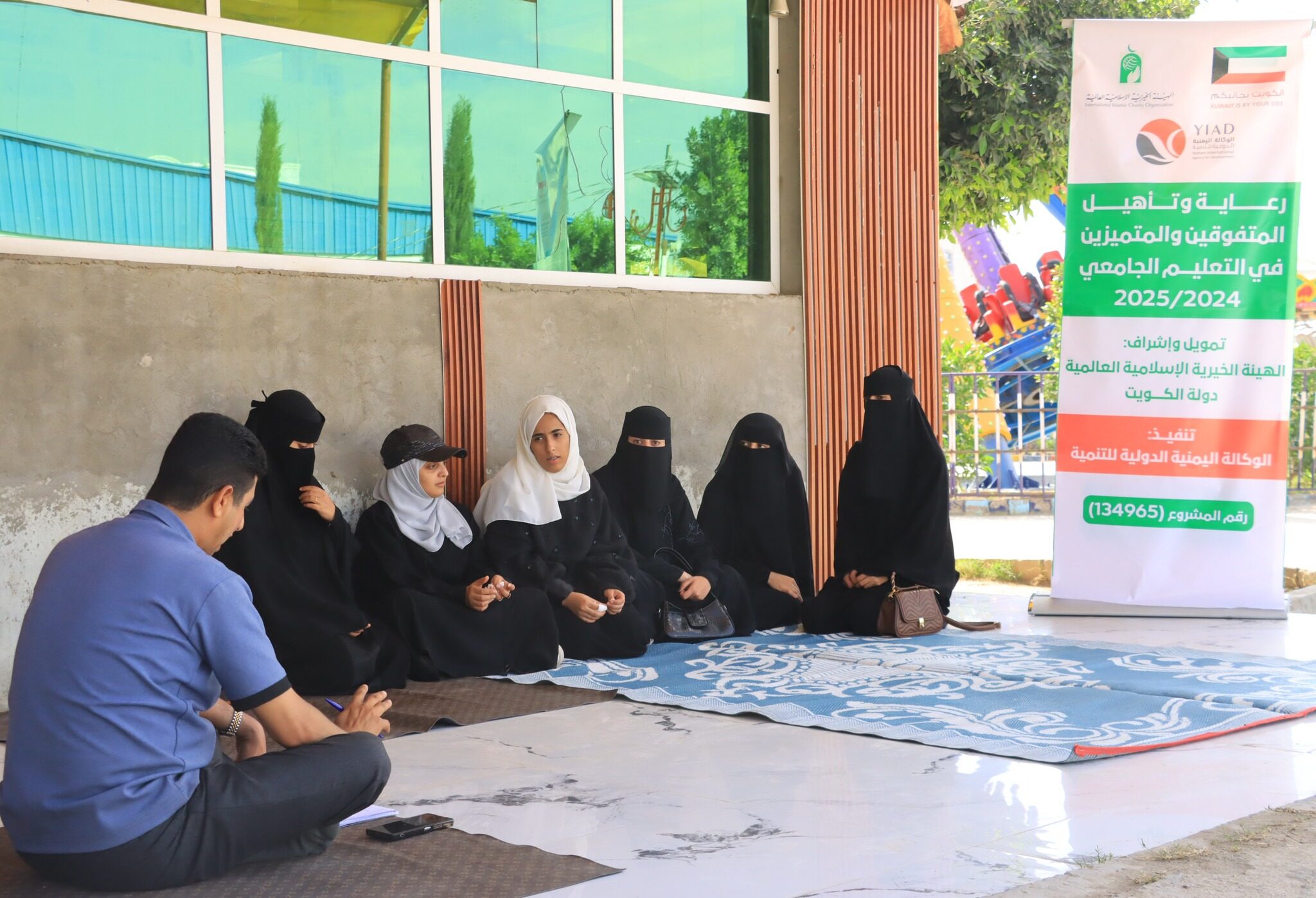
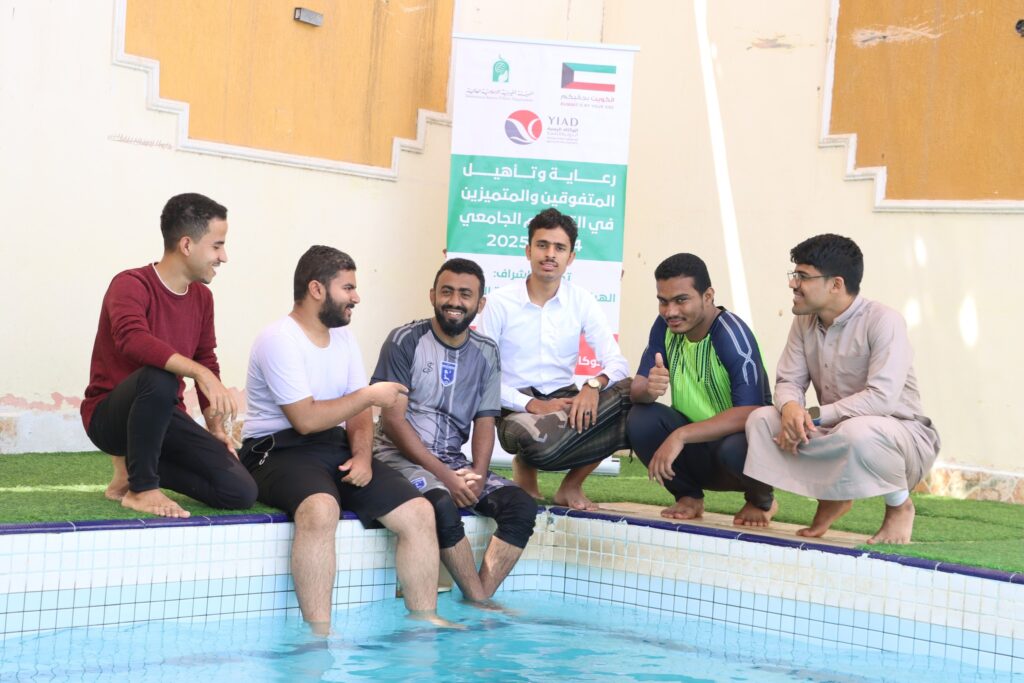
As part of its holistic approach to developing the skills and well-being of top-performing students, the Yemen International Agency for Development organized a recreational outing for participants in the Outstanding Students Care project. This event is part of the project’s activities for 2025 and included students from four Yemeni governorates.

The main objective of the trip was to provide a healthy and positive psychological environment for the students, helping to ease academic stress and foster friendships, teamwork, and communication through various educational and recreational activities such as group games, team challenges, and interactive discussions.

This initiative is one in a series of events organized by the agency as part of its comprehensive plan to support outstanding students not only academically, but also psychologically and socially. It reflects the agency’s vision of preparing a balanced and well-rounded generation capable of leading future progress and innovation.

Through such initiatives, the Yemen International Agency for Development continues to emphasize the importance of comprehensive care for students, aiming to build a strong base of capable and confident youth.

01
News

Yemen International Agency for Development and the National Center for Strategic Studies Announce the National Conference on Education: “Reality and Challenges”

The Yemen International Agency for Development, in partnership with the National Center for Strategic Studies, officially announced the date of the National Conference on Education titled “Reality and Challenges.” The announcement was made during a formal event held in the city of Marib, attended by prominent officials and academics.

The conference is scheduled to take place on May 5–6, 2025, with the participation of local and regional researchers, academic experts, and civil society representatives. The event aims to evaluate the state of education in Yemen and develop strategic solutions for the sector’s advancement.

The event was attended by Mr. Mohammed Al-Muawadhi, Deputy Governor of Marib; Mr. Abdulhakim Al-Qaisi, Director of the Social Affairs and Labor Office; and Dr. Hussein Al-Mawasai, Vice President of the University of Saba Region, alongside university representatives and educational stakeholders.

In his speech, the Deputy Governor emphasized the importance of education as a foundation for the country’s future, calling for collective efforts to overcome challenges and support initiatives offering practical solutions to educational issues.

Dr. Abdulsalam Al-Salami, Executive Director of the Yemen International Agency for Development, stated that the conference marks a crucial turning point in assessing the educational system and generating actionable recommendations to build effective partnerships for improving the sector.

Dr. Abdulhamid Amer, Head of the National Center for Strategic Studies, highlighted the responsibility of both official and academic bodies in addressing the ongoing educational decline. He noted that the conference preparations spanned nine months and involved a group of experts from Yemen and abroad.

Dr. Abdullah Al-Bakri, Head of the Scientific Committee, presented the main themes and goals of the conference, focusing on the state of general and higher education, strengthening community partnerships, and addressing the impact of conflict on the educational landscape.

The conference is expected to serve as a national platform for developing practical strategies and solutions that pave the way for a better, more inclusive, and resilient educational future in Yemen.

مشروع-المتفوقين-1
News

Launch of the “Outstanding Students Care” Project for 2025 with Preparatory Training Courses

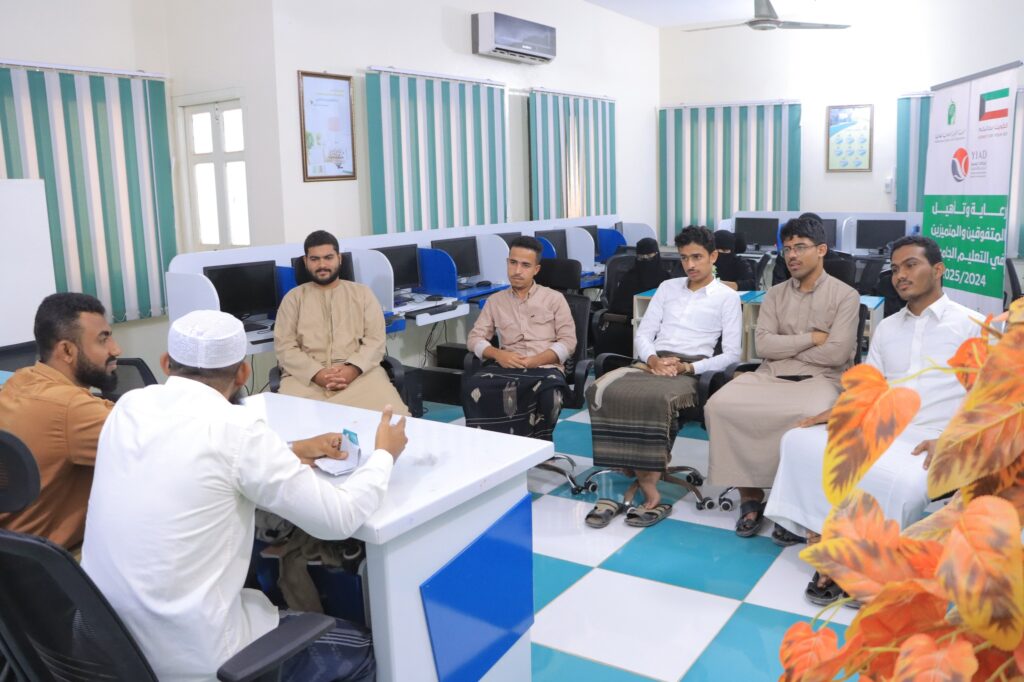
The Yemen International Agency for Development has launched the new edition of the “Outstanding Students Care” project for 2025, targeting 80 male and female students in 4 Yemeni governorates.

The project began with a series of preparatory training courses designed to develop the students’ skills and enhance their academic and personal abilities. These courses are part of a comprehensive plan aimed at supporting outstanding students and enabling them to achieve their academic aspirations and excel in their respective fields. The project aims to equip participants with the tools and knowledge necessary for success in their academic and professional journeys.

افتتاح-مدرسة-الجفينة
News

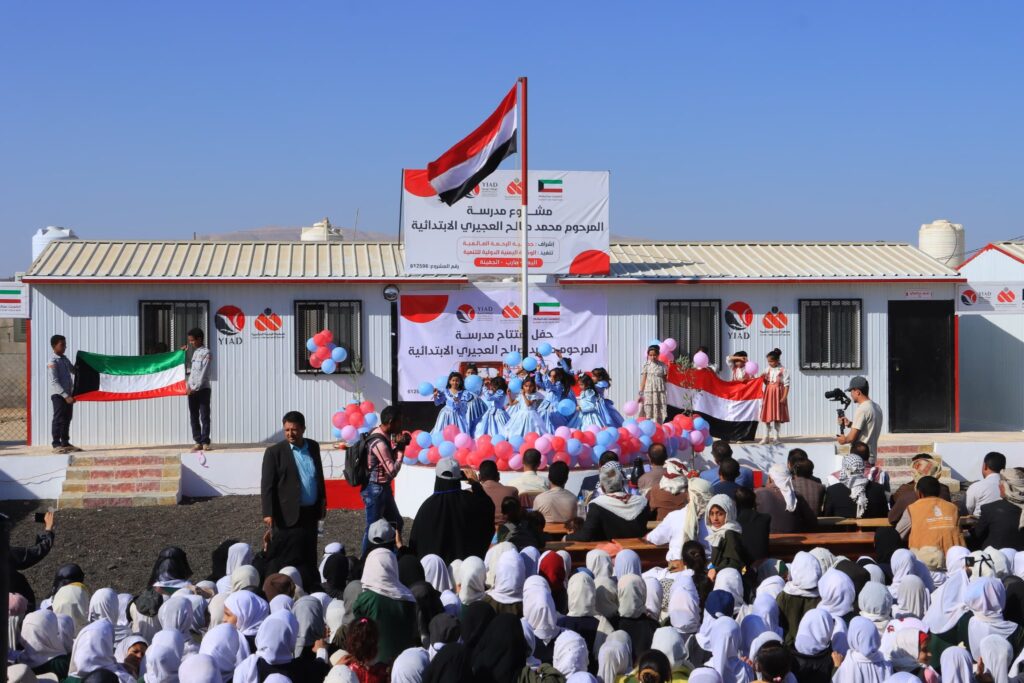
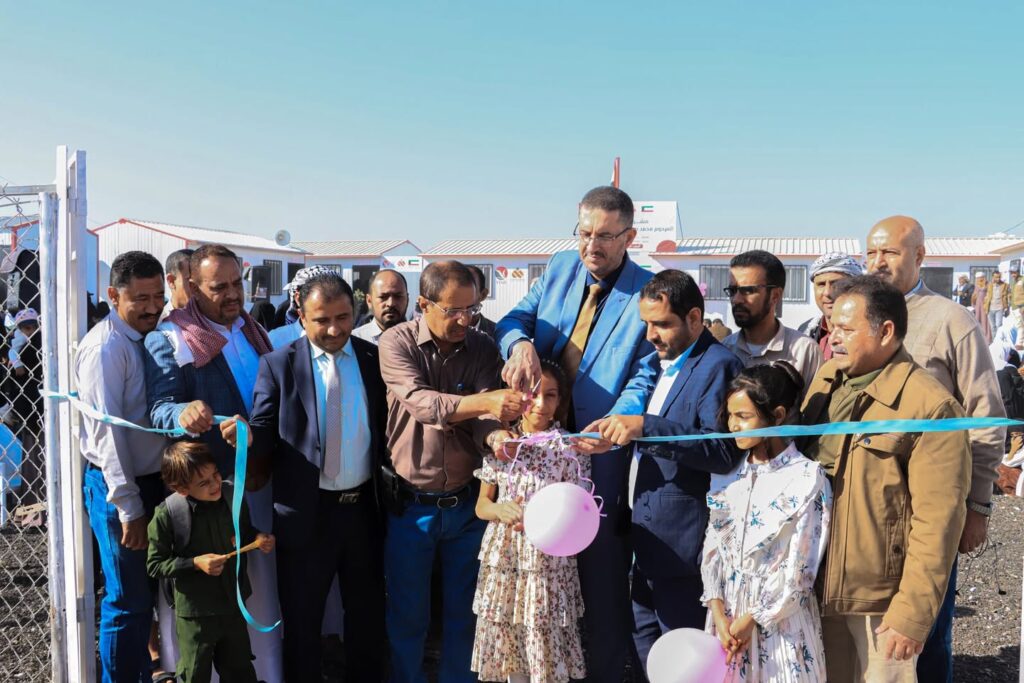
Yemen International Agency for Development Opens a New School in Marib – Jufine with Support from Rahma World Association

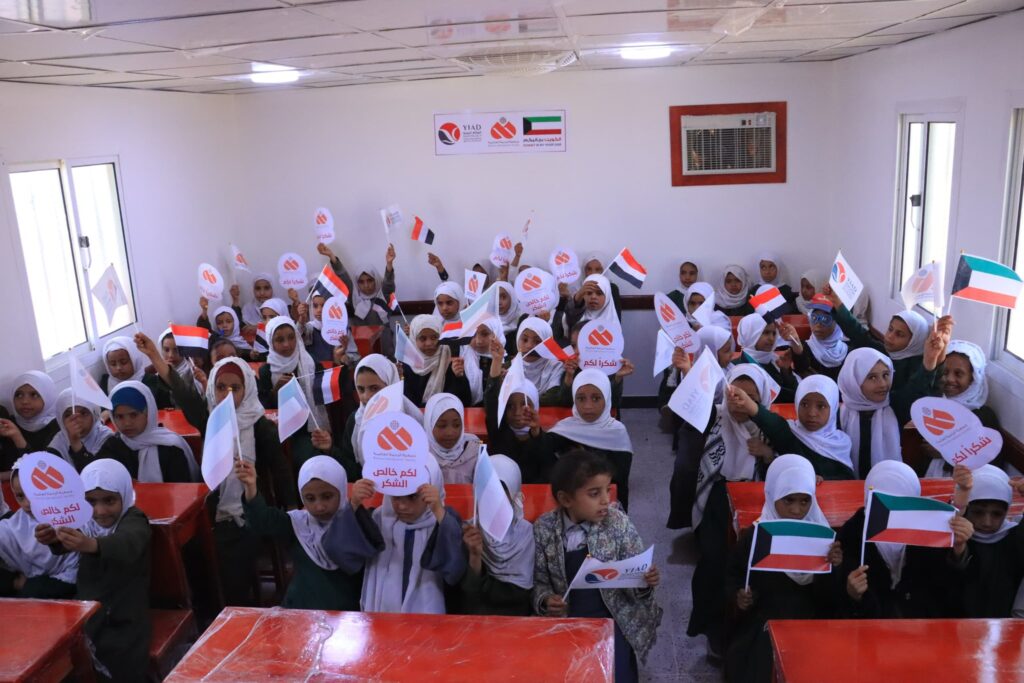
The Yemen International Agency for Development has opened a new school in Marib – Jufine, with generous funding from Rahma World Association, in the presence of Mr. Abdulaziz Al-Bakri, Deputy Director of the Education Office in Marib Governorate, and several officials and educational and social figures.

Mr. Abdulaziz Al-Bakri praised the agency’s role in supporting the education sector, noting that these educational projects contribute to improving the learning environment for students, positively impacting the educational process. Dr. Abdul Salam Al-Salami, the Executive Director of the agency in Yemen, expressed his sincere thanks to Rahma World Association and the State of Kuwait for their continued support for humanitarian projects in Yemen.

This project is part of the agency’s ongoing efforts to strengthen the education process in Yemen, aiming to provide sustainable educational opportunities for children, especially in affected areas, thus contributing to improving the education level and enhancing future development opportunities.

تدشين-مدرسة-أحمد-صالح-العجيري
News

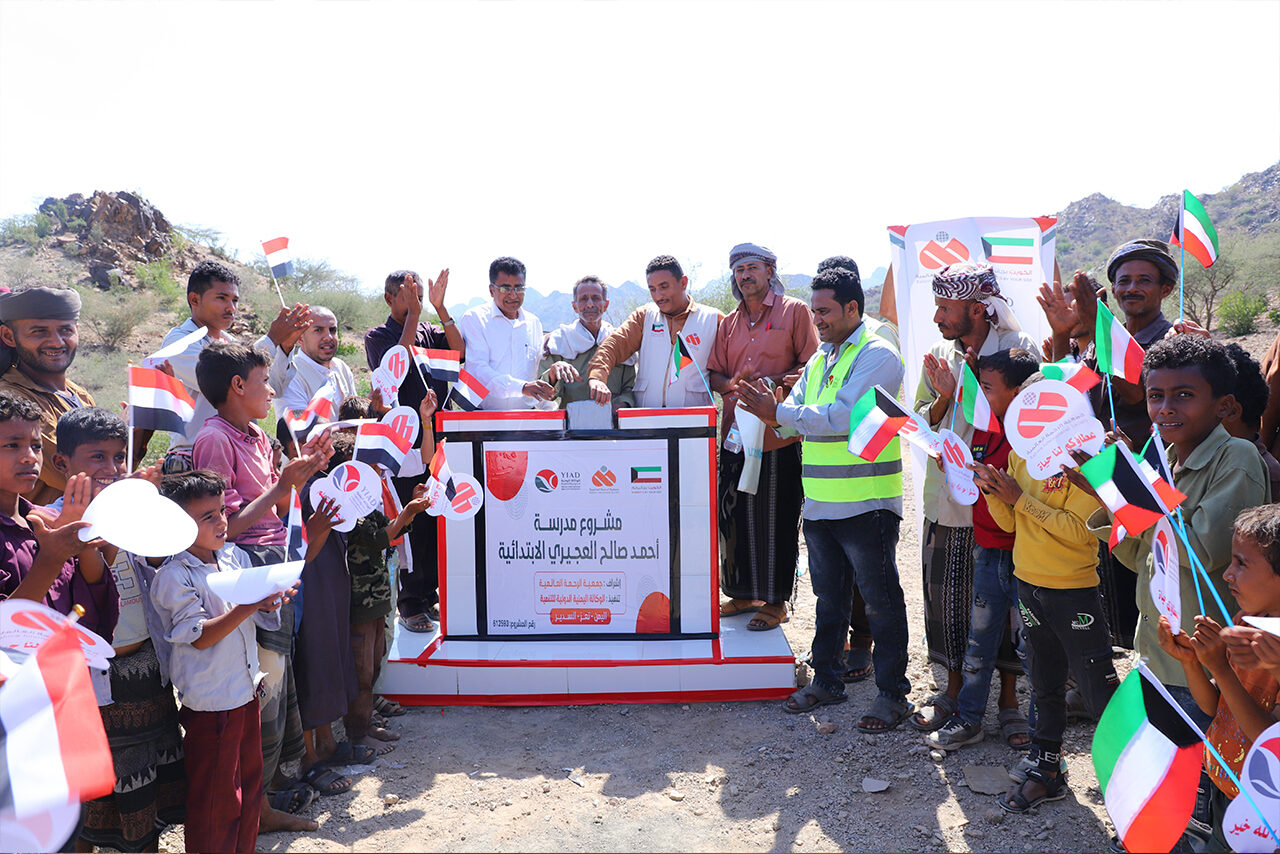
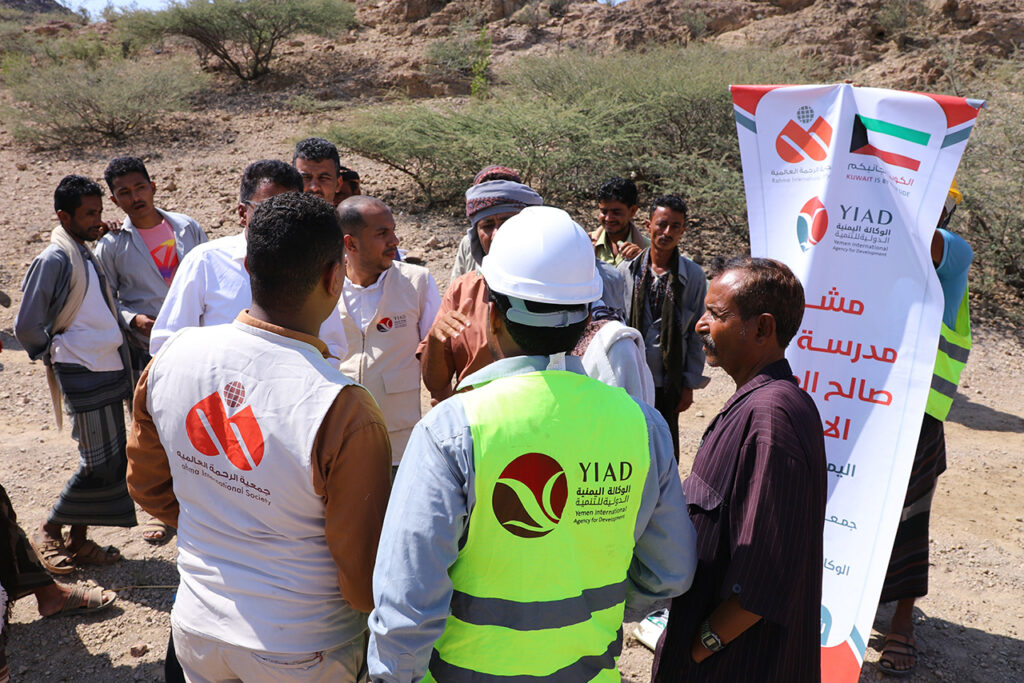
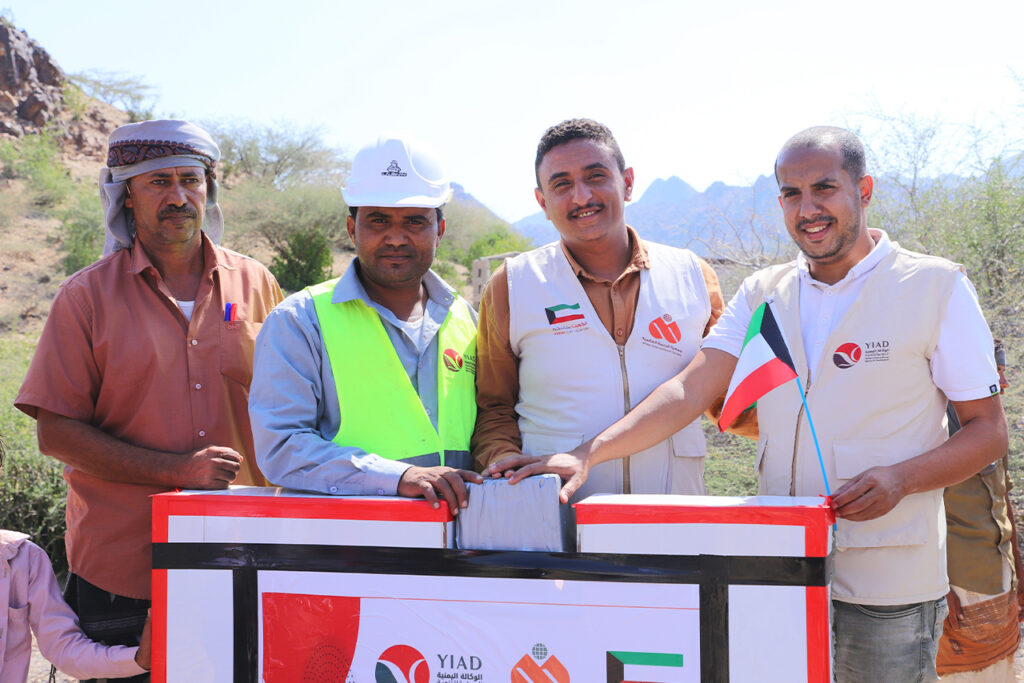
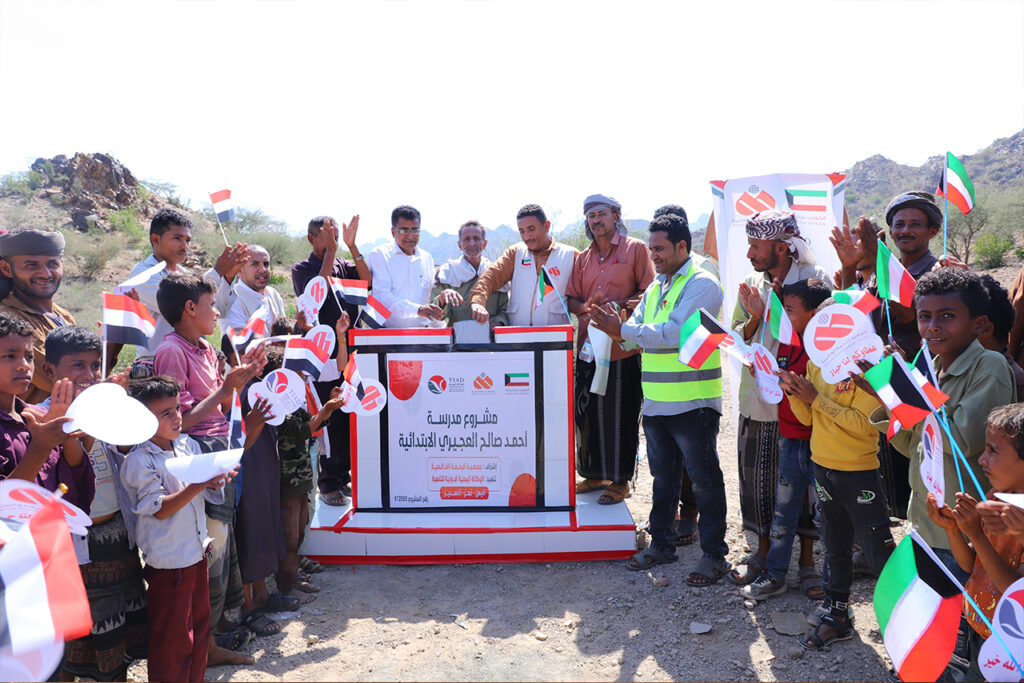
Inauguration of Ahmed Saleh Al-Ajiri School Project in Taiz with Kuwaiti Support and Implementation by Yemen International Agency for Development

The Ahmed Saleh Al-Ajiri (Al-Sadir) School Project was officially inaugurated in Taiz, implemented by the Yemen International Agency for Development and funded by the Kuwait-based Rahma International Association. This initiative aims to support the education sector and provide a modern learning environment that meets the needs of students in the region.
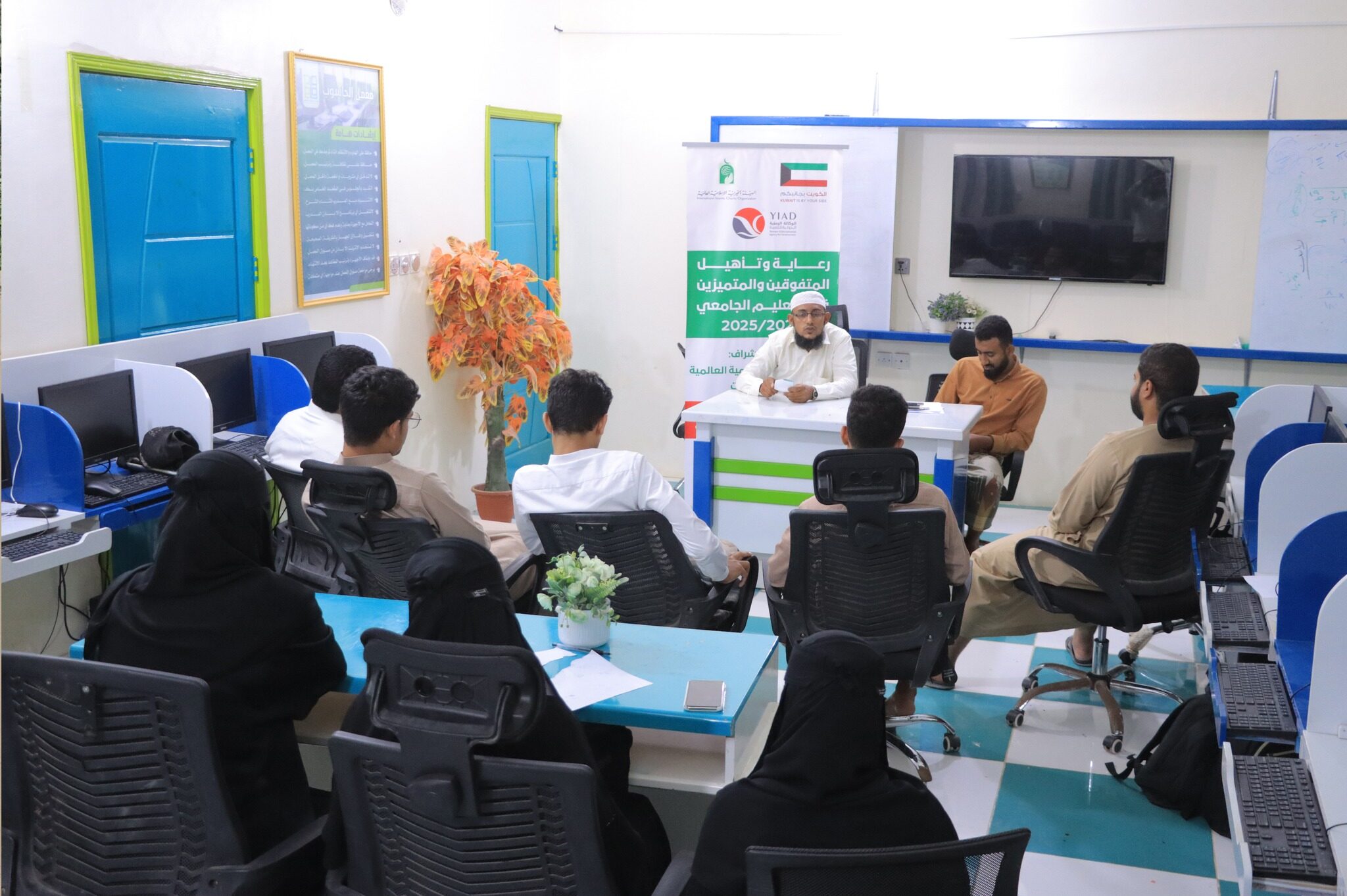
The project seeks to enhance educational opportunities and develop students’ skills by establishing a fully equipped educational infrastructure with modern facilities. This will contribute to improving the quality of education and boosting students’ academic performance.

The Yemen International Agency for Development emphasized that this project addresses urgent educational needs in Taiz and aligns with its mission to support education and empower future generations through sustainable development initiatives that expand learning opportunities and create a brighter future for students.

افتتاح-مدرسة-الفردوس-
News

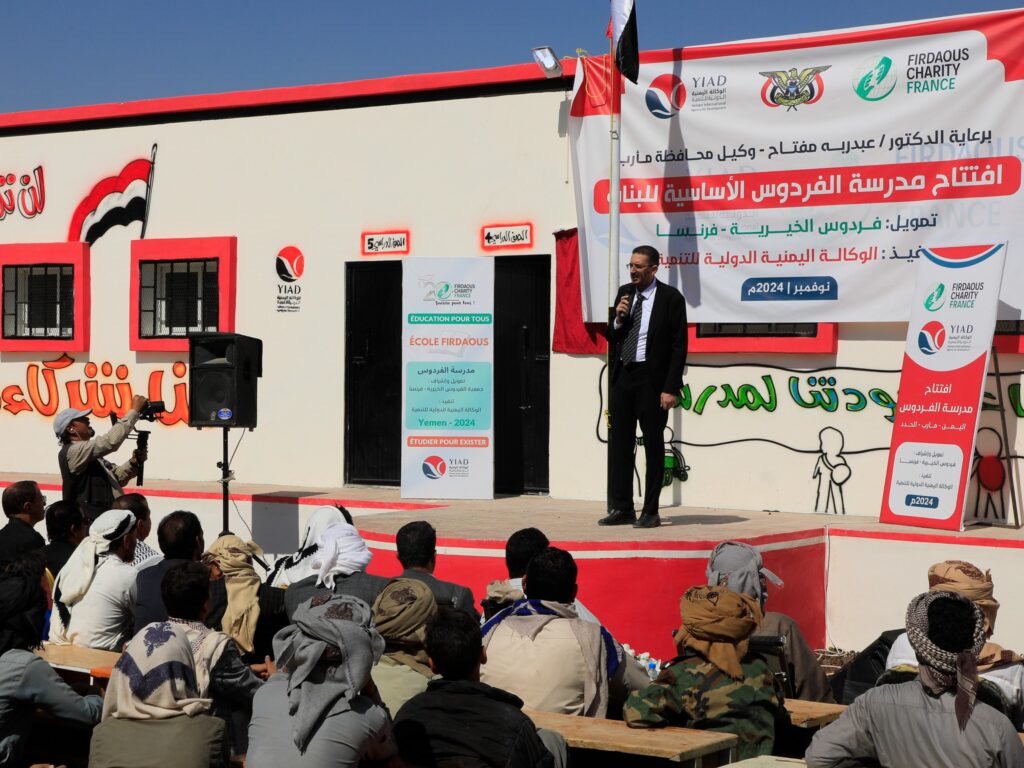
Inauguration of Al-Firdaws Primary School for Girls in Marib

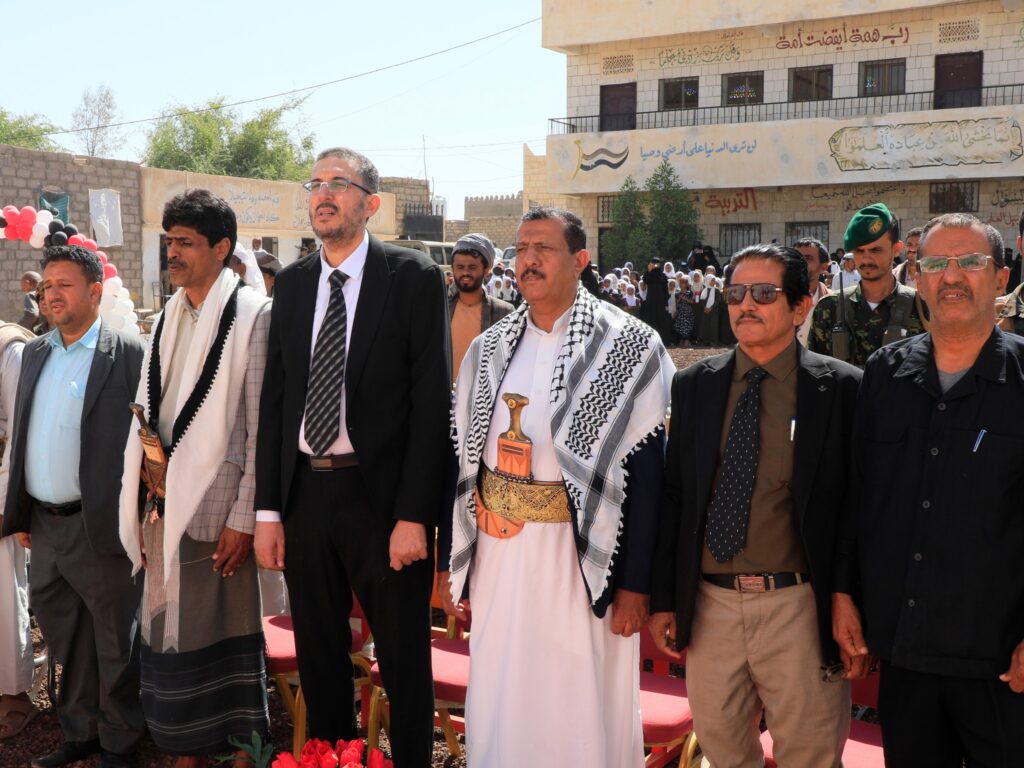
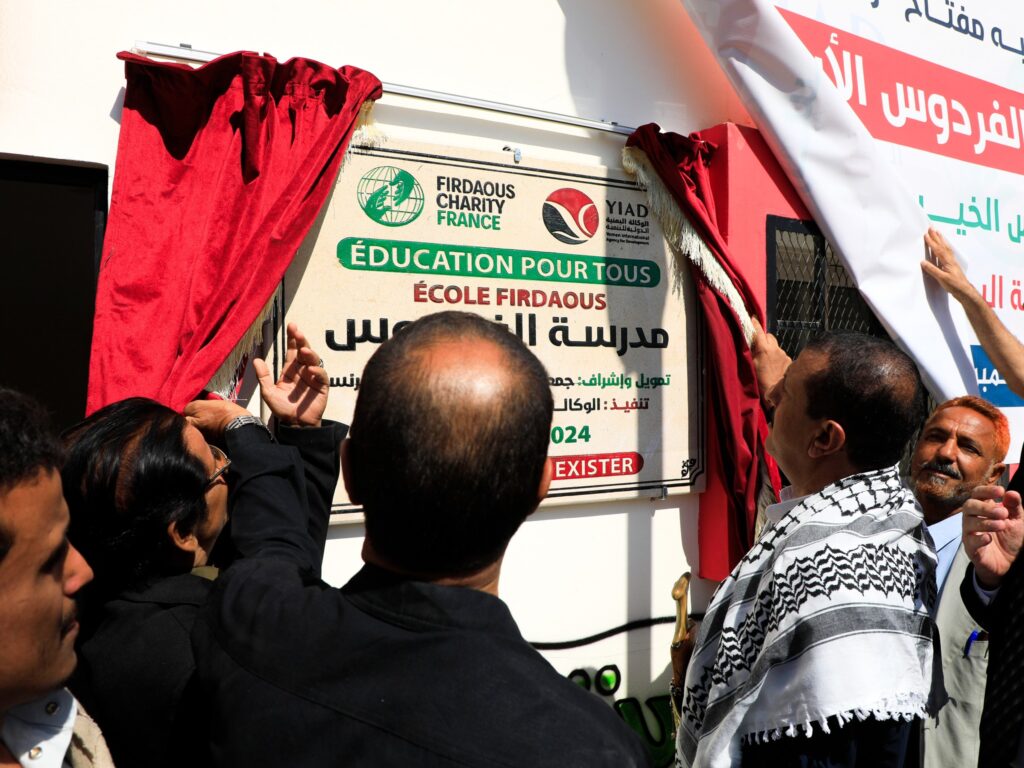
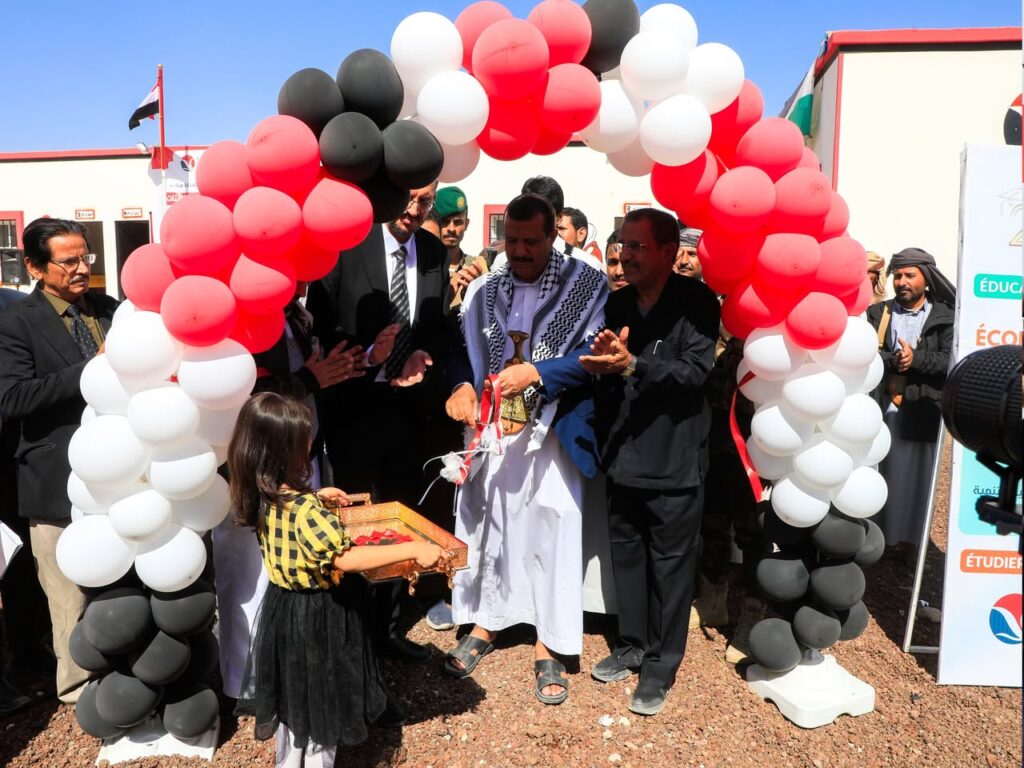
In an important step towards supporting the education sector in Marib Governorate, Dr. Abdurabbu Muftah, the Deputy Governor of Marib, inaugurated Al-Firdaws Primary School for Girls in the Al-Hadd area of the Wadi District. The school was funded by the Al-Firdaws Charity Organization – France, and implemented by the Yemen International Agency for Development.

The inauguration ceremony was attended by prominent officials, including Dr. Abdulsalam Al-Salami, the Executive Director of the Yemen International Agency for Development, Dr. Abdulaziz Al-Bakiri, Deputy Director of the Education Office in Marib Governorate, Abdullah Shaddad, General Manager of Education and Training Projects in the governorate, Dr. Fadl Qahtan, School Feeding Program Coordinator at the Ministry of Education, and Ismail Al-Saidi, representative of the Executive Unit of the Education Sector in the governorate.

During the inauguration, Dr. Abdurabbu Muftah emphasized the importance of education in facing the developmental challenges Yemen is experiencing, stating, “Today, the battle is a battle of knowledge and development.”

On his part, Dr. Abdulsalam Al-Salami, Executive Director of the Yemen International Agency for Development, highlighted the agency’s significant contributions to the education sector in the governorate, noting that this school is the sixteenth school opened by the agency in Marib. He also pointed out that these achievements would not have been possible without the grace of God and the efforts of those who continue to support this important sector.

Al-Firdaws School consists of five classrooms, an administrative office, a storage room, and two bathrooms, serving approximately 400 students in primary education. This project is part of the agency’s ongoing interventions to support the education sector in crisis-affected areas.

The project enhances the agency’s efforts in providing a suitable educational environment for girls in Marib Governorate and contributes to sustainable development by improving educational levels and expanding educational opportunities for girls in various areas of the governorate.