The Yemen International Agency for Development held an official meeting to open bids for the Educational Support Project for displaced students in Yemen, which aims to support secondary school students affected by displacement. The meeting was attended by representatives of the Agency, members of the evaluation committee, and delegates of the companies that submitted bids.
The tender includes the procurement of one thousand (1,000) educational tablet devices, equipped with accompanying educational software, in addition to the design and development of an integrated electronic system to manage the project. This initiative aligns with the requirements of digital education and contributes to improving the efficiency of monitoring and implementation processes.
This project comes as part of the Agency’s efforts to strengthen the educational process for displaced secondary school students by providing modern digital learning tools. These tools aim to facilitate access to educational content and academic services, as well as to organize educational follow-up between students, teachers, and project management.
During the meeting, the technical and financial proposals submitted by the participating companies were reviewed in accordance with approved criteria, ensuring transparency, integrity, and the achievement of the best possible value for the project. This step precedes the completion of evaluation and award procedures in line with applicable legal and administrative frameworks.
The Yemen International Agency for Development emphasized that this project responds to the growing educational needs of displaced students, particularly in light of the challenges facing the education sector in Yemen. The Agency reaffirmed its commitment to adopting innovative and sustainable solutions that contribute to improving the quality of education and supporting the most vulnerable groups.
The Agency added that the Educational Support Project represents an important step toward enhancing digital education and providing a more flexible and effective learning environment for displaced students. This will help students continue their education and mitigate the impact of the exceptional circumstances they face.
This initiative also reaffirms the Agency’s commitment to building strategic relationships with various institutions and expanding cooperation frameworks to achieve shared goals that serve and promote community development.
The Professional Accreditation Center for workers seeking employment in the Kingdom of Saudi Arabia was officially launched in Marib Governorate. The center is implemented by the YAD Academy for Business Development, affiliated with the Yemen International Agency for Development, as part of efforts to regulate the labor market and enhance professional competencies in accordance with the standards approved by the Saudi Ministry of Human Resources and Social Development, in cooperation with Alem Al-Injaz Training and Education Company.
The center aims to conduct professional examinations and assessments for skilled workers seeking employment in Saudi Arabia, ensuring that applicants possess the required professional competencies. YAD Academy is recognized as an authorized and accredited center to conduct professional tests and evaluations under this program.
The inauguration ceremony was attended by several official and academic leaders, including Jamal Al-Jaafari, Director General of Training and Rehabilitation in Marib Governorate; Abdulhalim Al-Hijri, Director General of Technical Education at Sana’a Municipality; and Abbas Abdulmagni, Director General of Social Affairs at Sana’a Municipality.
The event was also attended by Dr. Abdulsalam Al-Sallami, Director of the Yemen International Agency for Development; Dr. Mohammed Ali Omar, Director of YAD Academy for Business Development; and Mohammed Ali Al-Kenani, representative of Alem Al-Injaz Training and Education Company.
Participants emphasized the importance of the program in improving the quality of migrant labor, enhancing access to safe and legal employment opportunities, protecting workers’ rights, and raising professional efficiency in alignment with the requirements of the Saudi labor market.
This initiative comes as part of a series of development programs implemented by the Yemen International Agency for Development through its educational and training arms, supporting human development pathways and strengthening professional capacities in Yemen.
This initiative also reaffirms the Yemen International Agency for Development’s commitment to building strategic partnerships with various institutions and expanding cooperation to achieve shared goals that serve community development.
The Yemen International Agency for Development has launched the first phase of the Mulhim School Project, marked by the commencement of preparatory works and technical planning, signaling the start of implementing one of the educational projects aimed at strengthening educational infrastructure and expanding access to education.
The project comes in response to the growing need for educational facilities and seeks to provide a modern and safe learning environment capable of accommodating increasing numbers of students. It also aims to enhance the quality of the educational process and support educational stability in the area.
The Mulhim School Project is funded by the Mulhim Team and implemented by the Yemen International Agency for Development, within a development partnership that seeks to invest in the education sector as a key pillar of sustainable development and to build a better future for upcoming generations.
Yemen International Agency for Development implemented a humanitarian and educational initiative as part of the Outstanding Students Care Project, which involved distributing academic textbooks to a number of needy university students in Marib Governorate. This initiative reflects the strong link between academic excellence and social responsibility, as well as support for the educational process.
The initiative aimed to support university students who are unable to afford their required textbooks, thereby reducing their financial burden, supporting their continuation in higher education, and enhancing their opportunities for academic success and excellence.
The initiative was carried out with the participation of students from the Outstanding Students Care Project, who expressed through this effort their awareness of the importance of transforming academic excellence into tangible impact that serves the community. It also embodied the values of solidarity and social responsibility, affirming that true excellence is only complete when it contributes to supporting others.
Yemen International Agency for Development confirmed that this initiative aligns with its vision that education is one of the most important tools for development, and that supporting students—particularly at the university level—represents a real investment in human development and in empowering youth to play an effective future role in serving their communities.
The Agency also noted that the Outstanding Students Care Project is not limited to academic support alone, but also seeks to instill values of giving, volunteerism, and social responsibility among students, contributing to the preparation of a conscious generation that combines knowledge with humanitarian initiative.
Yemen International Agency for Development continues to implement its educational and community programs across several governorates, within plans aimed at enhancing access to education and supporting students in need.
This initiative reaffirms Yemen International Agency for Development’s commitment to building strategic relationships with various institutions and expanding cooperation to achieve shared goals that serve society and contribute to its development.
The Yemen International Agency for Development – Yemen held an official meeting at its headquarters in Marib Governorate to open the bid envelopes for the construction of Al-Tariq Al-Khair School and Mulhim Educational School. The meeting was attended by Agency representatives, members of the technical evaluation committee, and representatives of the companies that submitted bids for the two projects.
This step comes as part of the approved administrative and technical procedures for implementing educational projects, ensuring transparency and equal opportunity among competing bidders, in line with the Agency’s adopted standards for managing and implementing development projects.
During the meeting, the submitted bids were opened and the technical and financial aspects of each proposal were reviewed, in preparation for a detailed evaluation by the specialized committee. The process aims to select the implementing company based on predefined criteria to ensure the highest quality of execution.
The Yemen International Agency for Development emphasized that the Al-Tariq Al-Khair and Mulhim educational projects fall within its efforts to strengthen educational infrastructure in Marib Governorate, through the construction of modern school facilities that provide a safe and stimulating learning environment and meet the growing needs of students amid population growth and increasing pressure on existing educational institutions.
The Agency noted that these educational projects are part of its strategic vision to support the education sector as one of the key pillars of sustainable development, given its central role in human development and preparing future generations.
The Yemen International Agency for Development continues to implement a range of educational and development projects across several governorates, within well-planned strategies aimed at improving the quality of education, expanding access to learning opportunities, and contributing to a better educational future that serves the community and enhances stability.
As part of its efforts to expand areas of development cooperation, Dr. Abdulraqeb Obad, President of YIAD met in the Indonesian capital Jakarta with Dr. Yusuf Salmon CEO of Global Pemberdayaan Sosial- GPS and Mr. H. Misbah Rosyadi, President of Yayasan Pendidikan Rahmany – Depok. The meetings explored opportunities for cooperation in the field of education in addition to other areas including economic empowerment, health, and sustainable development. The President of YIAD presented an overview of the key projects and programs implemented by YIAD in #Yemen. President of YIAD emphasized that coordinating efforts and advancing community development are fundamental pillars in improving the lives of the most vulnerable groups. He also stressed YIAD’s commitment to building strategic partnerships with international institutions in support of SustainableDevelopmentGoals SDGs.
In a significant move reflecting its credibility and trust, the Yemen International Agency for Development (YIAD) has been accredited as a qualified partner with the Yemen Humanitarian Fund (YHF), solidifying its position among the leading national organizations active in the field of humanitarian work in Yemen.
This accreditation recognizes the agency’s commitment to governance and transparency standards, as well as its efficiency in managing and implementing humanitarian and development projects across Yemen.
Moreover, it represents an important milestone in enhancing YIAD’s presence and expanding its capacity to respond to the needs of the most vulnerable groups, contributing to creating a tangible and sustainable impact.
As part of the Gifted Students Support Program run by the Yemen International Agency for Development – Turkey, a number of postgraduate students participated in prestigious scientific conferences held in Istanbul, where they presented high-quality research papers in the fields of Islamic Economics and Islamic Studies.
These participations took place during the Ayasofya Postgraduate Conference, organized by Fatih Sultan Mehmet Vakıf University, and the Second Postgraduate Students Conference, organized by Istanbul Sabahattin Zaim University in cooperation with the Science Dissemination Foundation, with wide participation from postgraduate students of various nationalities.
The Gifted Students Program is implemented with generous support from the International Islamic Charitable Organization in Kuwait, and aims to empower Yemeni postgraduate students academically and scientifically, while enabling their active participation in specialized academic forums.
In the name of Allah, the Most Gracious, the Most Merciful, and peace and blessings be upon our Prophet and beloved Messenger, may Allah’s peace be upon him, his family, his companions, and those who follow his guidance.
Under the generous patronage of His Excellency Lieutenant General Sultan bin Ali Al-Aradah, Vice President of the Presidential Leadership Council and Governor of Marib Governorate, and in coordination with the Ministry of Education and the local authority in Marib Governorate, the National Education Conference was concluded, with the blessings of Allah, on May 5-6, 2025, at the 22 May Hall at the University of the Saba Region in Marib City. The conference, organized by the National Center for Strategic Studies and the Yemeni International Development Agency, was held under the theme: “National Education Conference: Reality and Challenges” and the slogan “Quality Education… The Future of Generations.” More than 120 participants took part, including researchers, academics, members of the central and local authorities from all Yemeni governorates, experts, speakers from various Arab and foreign countries, civil society organizations, the private sector, and the press and media.
The conference was launched in line with the goals of the National Center for Strategic Studies and the Yemeni International Development Agency to contribute to the development of Yemen, building human capacity, and improving opportunities for general and university education, through gathering officials, experts, researchers, and those interested in the field of education, to prepare studies and research, and coordinate and integrate efforts.
The conference aimed to explore academic and applied studies related to education, learn about modern strategies in teaching, assessment, and the challenges facing general and university education, showcase successful experiences and innovative ideas in education amidst wars and crises, stay updated with modern trends in technology and educational tools, exchange experiences, understand the current state of education and future aspirations, assess the education of students both inside and outside Yemen amidst the war, explore ways to support them, and enhance the efforts of stakeholders in the future of education, ensuring broad community participation from civil society organizations and the private sector.
During four sessions, 20 speakers from universities, central and local authorities, civil society organizations, and the private sector spoke. Over 120 participants attended and participated in discussions during Monday and Tuesday, May 5-6, 2025. The conference discussed the reality and challenges of general and university education, curriculum development, the role of the government and private sectors in education development, the risks facing the education process, and electronic learning methods and techniques.
Based on the research papers presented and the contributions made during the conference sessions, the conference concluded with the following recommendations:
Continued holding conferences, seminars, and workshops with the participation of all stakeholders in education, including investors, authorities, parents, academics, and others, for continuous development of education.
The conference recommends that the government prepares a comprehensive national education plan, which includes restructuring educational policies, aligning national legislation with international agreements on the protection of education, adopting unified national curricula that enhance human values and national identity, reconstructing infrastructure, building 3,000 damaged schools, providing safe educational facilities for students, ensuring regular payment of salaries, offering financial incentives to teachers to improve their performance, and expanding remote education programs to cover 10 million children by 2025.
The conference recommends increasing the education budget to 15% of total government expenditure to ensure the continuity of educational programs and enhancing cooperation with international organizations to secure additional funding of $500 million over the next five years.
Establish a central fund to support projects for the development of general and university education, aimed at increasing financial resources to support and fund education, with resources determined through a regulation to be studied and issued by the relevant authorities, and to benefit from the experiences of similar educational institutions in the Arab and international context in finding sources of education funding and enhancing cooperation.
Adopt the principle of diversifying funding sources and self-financing in educational institutions, granting universities the necessary financial and administrative powers to invest their resources, and promoting the concept of the productive university, while activating principles of supervision and accountability to contribute to the proper utilization, development, and preservation of resources.
Establish a virtual platform for general education under the Ministry of Education, providing all the material, human, financial, and legislative requirements, with direct supervision by the Ministry of Education, and activating electronic education management at the governorate level with qualified personnel appointed for this field.
Review the legislation regarding electronic education in Yemen to allow investment in this field, as well as academic accreditation for certificates issued by electronic platforms or educational institutions relying on electronic education.
Establish an independent national authority to protect education, responsible for monitoring and documenting violations and coordinating with international organizations to ensure the protection of educational institutions and their staff, and passing strict laws to criminalize the targeting of education.
There must be a focus on the continuous qualification and training of teachers before and during their service.
Develop a strategy to improve educational curricula and implement it by benefiting from the experiences of countries with strong global educational systems, based on the latest international rankings, and exchanging experiences by hosting experts who have effectively contributed to the development of education in their countries.
Invite businessmen to invest in education, encourage community initiatives, and commercial institutions to invest in quality private schools with an attractive educational environment, and activate supportive policies for private and community education from the government.
Develop communication and coordination between private schools, represented by the Private Education Forum, and all concerned authorities in local government and the Ministry of Education to work together to create quality private education that contributes to the development of the educational process.
Establish research centers specialized in universities, higher institutes, and official bodies such as the Ministry of Education and the Ministry of Higher Education, and provide the necessary financial support and budgets, involving the private sector in funding and conducting field and research studies related to education.
Strengthen research and cooperation between the Ministry of Education, Ministry of Higher Education, universities, research and intellectual institutions, and educational specialists.
Develop the efforts of the Ministry of Education and higher education institutions to keep pace with the digital transformation in providing educational services and benefiting from local, Arab, and global experiences.
Support for research and study centers’ efforts to analyze the reality of e-learning, the challenges it faces, and the proposal of projects and suggestions to implement digital education initiatives, keeping pace with the rapid developments in this field.
Improving the economic conditions of teachers’ families and staff members, enhancing their psychological well-being by revitalizing school feeding projects that target both students and teachers, creating an attractive learning environment, activating school activities that foster students’ love for their schools, providing suitable educational resources, and empowering social workers to assist students in solving their educational problems and addressing family-related issues.
Activating guidance and psychological support programs in schools, universities, and specialized institutes.
Working to enhance values related to the development of educational leadership performance and educational services.
Focusing on appropriate educational alternatives for the reality of education in Yemen, including educational channels, radio-based education, blended learning, mobile schools, online learning, home education, and e-learning applications.
Opening an independent and transparent international investigation into the grave violations that education in Yemen is subjected to, holding those responsible criminally accountable before international courts, including education violations in periodic international reports on Yemen, and considering these violations a humanitarian priority in emergency response programs and reconstruction plans.
The conference calls on the United Nations and the international community to apply effective pressure to achieve a permanent ceasefire and secure educational institutions from military targeting.
Strengthening partnership and cooperation between donor organizations and the government, and enhancing cooperation with Yemen’s partners from friendly and brotherly countries to improve education in its various aspects.
Promoting community partnerships in a realistic way, focusing on women’s empowerment in decision-making positions to strengthen their active role in society, and adopting educational programs and awareness centers that focus on the female sector.
Establishing a department in the Education offices in governorates to manage educational and community crises during conflicts, crises, and peace.
Equipping schools with modern technologies, training teachers and administrative staff to use them, and improving the effectiveness of measurement and evaluation in education in Yemen.
Developing curricula to keep up with research and knowledge developments, and including Information and Communication Technology (ICT) as part of the curricula.
Finally, the participants extend their thanks, appreciation, and gratitude to His Excellency, Lieutenant General Sultan bin Ali Al-Arada, Vice President of the Presidential Leadership Council and Governor of Marib Governorate, for honoring the conference with his esteemed sponsorship and his significant efforts during this critical phase our country is going through.
The participants highly appreciate the efforts of the National Center for Strategic Studies and the Yemen International Development Agency for organizing the conference activities, as well as all the committees that contributed effectively to achieving its objectives.
The participants express their sincere gratitude to the administration of the University of Seba Region for hosting the conference and supporting and contributing to its success.
We renew our deep gratitude and immense thanks to everyone who contributed, supported, and worked diligently to ensure the success of the conference.
We ask Almighty Allah for success and assistance.
Issued by the National Conference on Education: Reality and Challenges Marib City, May 6, 2025
As part of the National Education Conference titled “Reality and Challenges,” the fourth session focused on unique insights and experiences aimed at developing education in Yemen amidst the rapid transformations and changes occurring in the sector. The session featured participation from a distinguished group of academics and experts from various institutions.
The session commenced with a paper presented by Mr. Ziyab Saleh Mohsen Al-Dabba, highlighting the importance of academic research and studies in enhancing general and higher education, and their role in formulating effective, evidence-based educational policies.
Ms. Badriya Hamoud Salem Al-Wasabi, an educational supervisor, presented a paper discussing the role of women in educating their children during times of crises and wars, emphasizing the pivotal role of mothers in ensuring the continuity of the educational process in conflict-affected environments.
In the realm of digital education, Engineer Luay Al-Omudi, representative of the Noon Educational Platform in Yemen, showcased the experience of the Noon platform as an innovative model contributing to supporting digital education and expanding access to modern learning resources.
Dr. Saleh Ali Yahya Jamala, Technical Affairs Undersecretary of Al-Jawf Governorate, discussed the significance of e-learning in Yemen, considering it a strategic option to address the current challenges facing the educational system.
Representing Sheikh Mohammed Abdulqadir Al-Khidr, Dr. Abdulkarim Al-Bazli spoke about the role of the private sector in supporting and developing education, emphasizing the need to strengthen community partnerships to provide a sustainable and effective educational environment.
The session concluded with a paper by Associate Professor Dr. Abdullah Haidar Al-Bakri from the University of Saba Region, reviewing the topic of education financing in Yemen, referencing successful Arab and international experiences, and extracting key lessons applicable to the Yemeni context.
The outcomes of the session underscored that developing education requires diversifying roles, enhancing partnerships, and adopting innovative solutions that consider local realities and keep pace with developments, contributing to building a better educational future.
As part of the activities of the National Education Conference – Reality and Challenges, the third session featured an in-depth discussion on effective roles in addressing the challenges faced by the education sector amid crisis and war. The session brought together a distinguished group of academics and experts in education and pedagogical reform.
The session began with a presentation by Mr. Saleh Ahmed Masad Al-Darrab, General Director of Al-Amal Modern Schools, who delivered a research paper on the role of private education as a vital actor in sustaining the educational process during times of crisis. He highlighted the efforts of the private sector in bridging educational gaps and offering alternative and flexible models to ensure education reaches various societal segments.
Dr. Askar Mohammed Ali Jerad, a visiting professor at Muhammadiyah University in Indonesia, presented a scientific paper focusing on the role of assessment and evaluation in educational reform. He emphasized the importance of adopting modern evaluation methods that align with educational developments and contribute to enhancing the quality of education and guiding educational policies effectively.
Dr. Ali Mohammed Abdullah Akhwajah, Assistant Professor of Educational Technology and Head of the Curriculum and Instruction Department at Saba Region University, presented a research paper on the integration of modern technology in education. He shed light on the opportunities that technology offers in developing learning environments and enhancing interaction and creativity inside and outside the classroom.
The session emphasized the importance of diversifying roles and partnerships among different sectors, including the private sector and academic institutions, to arrive at innovative and sustainable educational solutions that align with reality and meet students’ needs under various circumstances.
The third session marked a pivotal moment in the conference, highlighting the need for synergy between local and international expertise, and the importance of investing in assessment, evaluation, and technology to guide the future of education in Yemen toward a better direction.
The first session of the National Education Conference – Reality and Challenges kicked off this morning, organized by the Yemen International Agency for Development in partnership with the National Center for Studies, with the participation of prominent academics, experts, and educational stakeholders from both inside and outside Yemen.
This session addressed a range of critical topics reflecting the reality of education in Yemen and explored ways to develop the sector amid ongoing challenges.
In his speech, Dr. Ali Al-Abbab, Deputy Minister of Education, reviewed the current status of education in the country, highlighting the government’s efforts to support and develop the sector despite the war and political divisions.
Professor Dawood Al-Hadhabi, a Yemeni researcher and international lecturer, presented a paper emphasizing the importance of developing modern and dynamic curricula as a key entry point to reforming the education system and achieving high-quality learning outcomes.
On the theme of emergency education, Mr. Ayman Qwaider, representative of the Inter-agency Network for Education in Emergencies (INEE), discussed the standards and principles of education in humanitarian settings, focusing on the main challenges facing their implementation in the Yemeni context.
Dr. Mohammed Haza’a Bakrin, Director of Education at the Kuwait-based Rahma International Society, showcased the organization’s educational interventions in Yemen, stressing the importance of integrated efforts among education-focused organizations.
Dr. Khamis bin Obeid, President of the Arab Union for Private Schools in Oman, discussed the role of private schools in Yemen, emphasizing the potential of partnering with them to add value to the educational process, while also warning of educational risks in the absence of regulation and oversight.
This session marked a dynamic start to the conference, opening the door to in-depth discussions on the reality of education and the development of realistic, sustainable solutions that respond to the needs of Yemen’s education sector.
The National Conference on Education – Reality and Challenges, continued its activities on its first day in the city of Marib. The second session was dedicated to discussing the impact of the war on the education sector in Yemen, with the participation of a group of researchers and specialists in education and human rights issues.
The session began with an intervention by Mr. Fahmi Al-Zubairi, Director General of the Human Rights Office in the Capital Secretariat, who presented a comprehensive overview of the challenges facing education during the war. He also reviewed the most prominent violations affecting students and teachers, along with proposed solutions to help reduce the sector’s deterioration.
Dr. Jamil Mohammed Ahmed Al-Hosaini, Associate Professor at the University of Taiz, addressed the issue of student dropout as a result of the war. He warned of its long-term social and economic consequences and called for urgent interventions to contain this escalating phenomenon.
In the same context, Dr. Mohammed Al-Azaki, Head of the Union of Unappointed Yemeni Academics, presented a research paper on the challenges of updating educational curricula in Yemen. He highlighted the gap between the current situation and the future visions for developing educational content and curricula.
Mr. Abdullah Al-Mash, Head of Planning and Programs at the National Center for Strategic Studies, focused on the deep psychological effects of war on general education students. He stressed the need for specialized psychological and educational support programs that take these effects into account and help reduce their impact on the educational environment.
This session provided rich insights and deep analysis that contribute to a broader understanding of the consequences of war on education and opened the door for discussing applicable solutions to restore the educational path and ensure a safe and stable learning environment for all students in Yemen.
The Yemen International Agency for Development, in partnership with the National Center for Studies, launched today in the city of Marib the National Education Conference under the title “Education in Yemen: Reality and Challenges,” with the participation of a group of academics, experts, and specialists in the educational field from various Yemeni governorates.
The conference aims to shed light on the deep challenges facing the education sector in Yemen and to explore practical solutions to improve the educational process in light of the current circumstances. It also seeks to foster a comprehensive national dialogue that enhances cooperation and integration among stakeholders in the education sector.
The conference includes a series of scientific sessions and workshops covering key issues such as education quality, infrastructure challenges, the status of teachers, educational policies, and the role of active actors in developing the sector.
This conference represents a significant step towards building an integrated national vision for the advancement of education, bringing together decision-makers, researchers, and field practitioners to discuss reform priorities and improve education outcomes in Yemen.
As part of its holistic approach to developing the skills and well-being of top-performing students, the Yemen International Agency for Development organized a recreational outing for participants in the Outstanding Students Care project. This event is part of the project’s activities for 2025 and included students from four Yemeni governorates.
The main objective of the trip was to provide a healthy and positive psychological environment for the students, helping to ease academic stress and foster friendships, teamwork, and communication through various educational and recreational activities such as group games, team challenges, and interactive discussions.
This initiative is one in a series of events organized by the agency as part of its comprehensive plan to support outstanding students not only academically, but also psychologically and socially. It reflects the agency’s vision of preparing a balanced and well-rounded generation capable of leading future progress and innovation.
Through such initiatives, the Yemen International Agency for Development continues to emphasize the importance of comprehensive care for students, aiming to build a strong base of capable and confident youth.
The Yemen International Agency for Development, in partnership with the National Center for Strategic Studies, officially announced the date of the National Conference on Education titled “Reality and Challenges.” The announcement was made during a formal event held in the city of Marib, attended by prominent officials and academics.
The conference is scheduled to take place on May 5–6, 2025, with the participation of local and regional researchers, academic experts, and civil society representatives. The event aims to evaluate the state of education in Yemen and develop strategic solutions for the sector’s advancement.
The event was attended by Mr. Mohammed Al-Muawadhi, Deputy Governor of Marib; Mr. Abdulhakim Al-Qaisi, Director of the Social Affairs and Labor Office; and Dr. Hussein Al-Mawasai, Vice President of the University of Saba Region, alongside university representatives and educational stakeholders.
In his speech, the Deputy Governor emphasized the importance of education as a foundation for the country’s future, calling for collective efforts to overcome challenges and support initiatives offering practical solutions to educational issues.
Dr. Abdulsalam Al-Salami, Executive Director of the Yemen International Agency for Development, stated that the conference marks a crucial turning point in assessing the educational system and generating actionable recommendations to build effective partnerships for improving the sector.
Dr. Abdulhamid Amer, Head of the National Center for Strategic Studies, highlighted the responsibility of both official and academic bodies in addressing the ongoing educational decline. He noted that the conference preparations spanned nine months and involved a group of experts from Yemen and abroad.
Dr. Abdullah Al-Bakri, Head of the Scientific Committee, presented the main themes and goals of the conference, focusing on the state of general and higher education, strengthening community partnerships, and addressing the impact of conflict on the educational landscape.
The conference is expected to serve as a national platform for developing practical strategies and solutions that pave the way for a better, more inclusive, and resilient educational future in Yemen.
The Yemen International Agency for Development has launched the new edition of the “Outstanding Students Care” project for 2025, targeting 80 male and female students in 4 Yemeni governorates.
The project began with a series of preparatory training courses designed to develop the students’ skills and enhance their academic and personal abilities. These courses are part of a comprehensive plan aimed at supporting outstanding students and enabling them to achieve their academic aspirations and excel in their respective fields. The project aims to equip participants with the tools and knowledge necessary for success in their academic and professional journeys.
The Yemen International Agency for Development has opened a new school in Marib – Jufine, with generous funding from Rahma World Association, in the presence of Mr. Abdulaziz Al-Bakri, Deputy Director of the Education Office in Marib Governorate, and several officials and educational and social figures.
Mr. Abdulaziz Al-Bakri praised the agency’s role in supporting the education sector, noting that these educational projects contribute to improving the learning environment for students, positively impacting the educational process. Dr. Abdul Salam Al-Salami, the Executive Director of the agency in Yemen, expressed his sincere thanks to Rahma World Association and the State of Kuwait for their continued support for humanitarian projects in Yemen.
This project is part of the agency’s ongoing efforts to strengthen the education process in Yemen, aiming to provide sustainable educational opportunities for children, especially in affected areas, thus contributing to improving the education level and enhancing future development opportunities.
The Ahmed Saleh Al-Ajiri (Al-Sadir) School Project was officially inaugurated in Taiz, implemented by the Yemen International Agency for Development and funded by the Kuwait-based Rahma International Association. This initiative aims to support the education sector and provide a modern learning environment that meets the needs of students in the region.
The project seeks to enhance educational opportunities and develop students’ skills by establishing a fully equipped educational infrastructure with modern facilities. This will contribute to improving the quality of education and boosting students’ academic performance.
The Yemen International Agency for Development emphasized that this project addresses urgent educational needs in Taiz and aligns with its mission to support education and empower future generations through sustainable development initiatives that expand learning opportunities and create a brighter future for students.
In an important step towards supporting the education sector in Marib Governorate, Dr. Abdurabbu Muftah, the Deputy Governor of Marib, inaugurated Al-Firdaws Primary School for Girls in the Al-Hadd area of the Wadi District. The school was funded by the Al-Firdaws Charity Organization – France, and implemented by the Yemen International Agency for Development.
The inauguration ceremony was attended by prominent officials, including Dr. Abdulsalam Al-Salami, the Executive Director of the Yemen International Agency for Development, Dr. Abdulaziz Al-Bakiri, Deputy Director of the Education Office in Marib Governorate, Abdullah Shaddad, General Manager of Education and Training Projects in the governorate, Dr. Fadl Qahtan, School Feeding Program Coordinator at the Ministry of Education, and Ismail Al-Saidi, representative of the Executive Unit of the Education Sector in the governorate.
During the inauguration, Dr. Abdurabbu Muftah emphasized the importance of education in facing the developmental challenges Yemen is experiencing, stating, “Today, the battle is a battle of knowledge and development.”
On his part, Dr. Abdulsalam Al-Salami, Executive Director of the Yemen International Agency for Development, highlighted the agency’s significant contributions to the education sector in the governorate, noting that this school is the sixteenth school opened by the agency in Marib. He also pointed out that these achievements would not have been possible without the grace of God and the efforts of those who continue to support this important sector.
Al-Firdaws School consists of five classrooms, an administrative office, a storage room, and two bathrooms, serving approximately 400 students in primary education. This project is part of the agency’s ongoing interventions to support the education sector in crisis-affected areas.
The project enhances the agency’s efforts in providing a suitable educational environment for girls in Marib Governorate and contributes to sustainable development by improving educational levels and expanding educational opportunities for girls in various areas of the governorate.
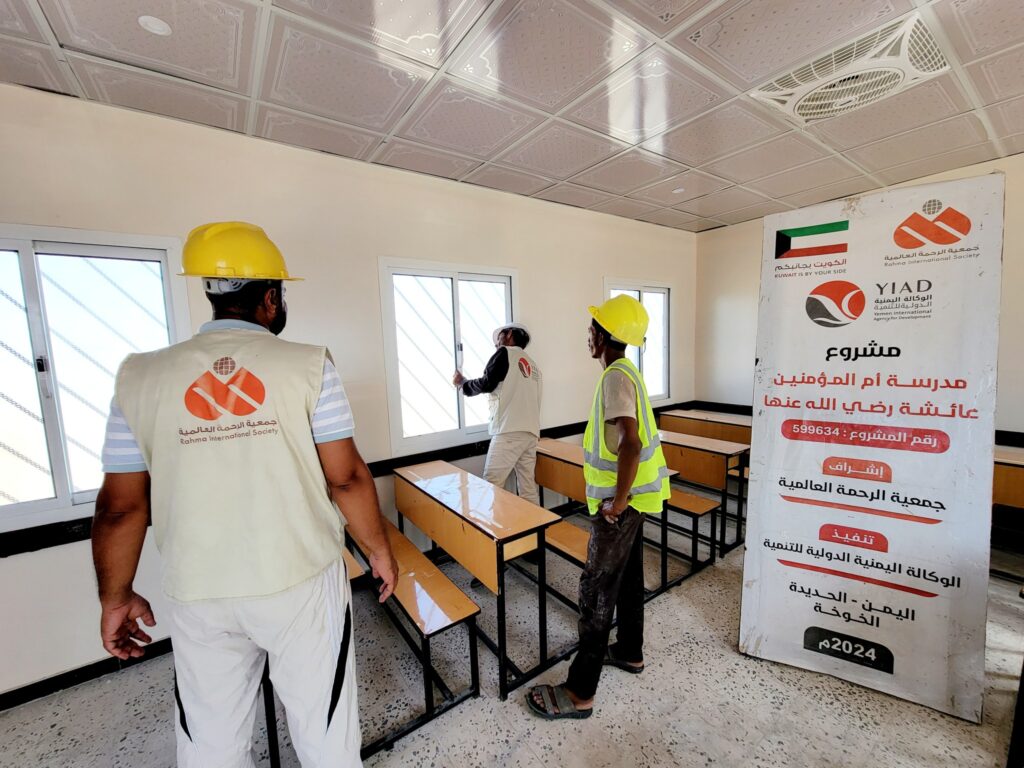
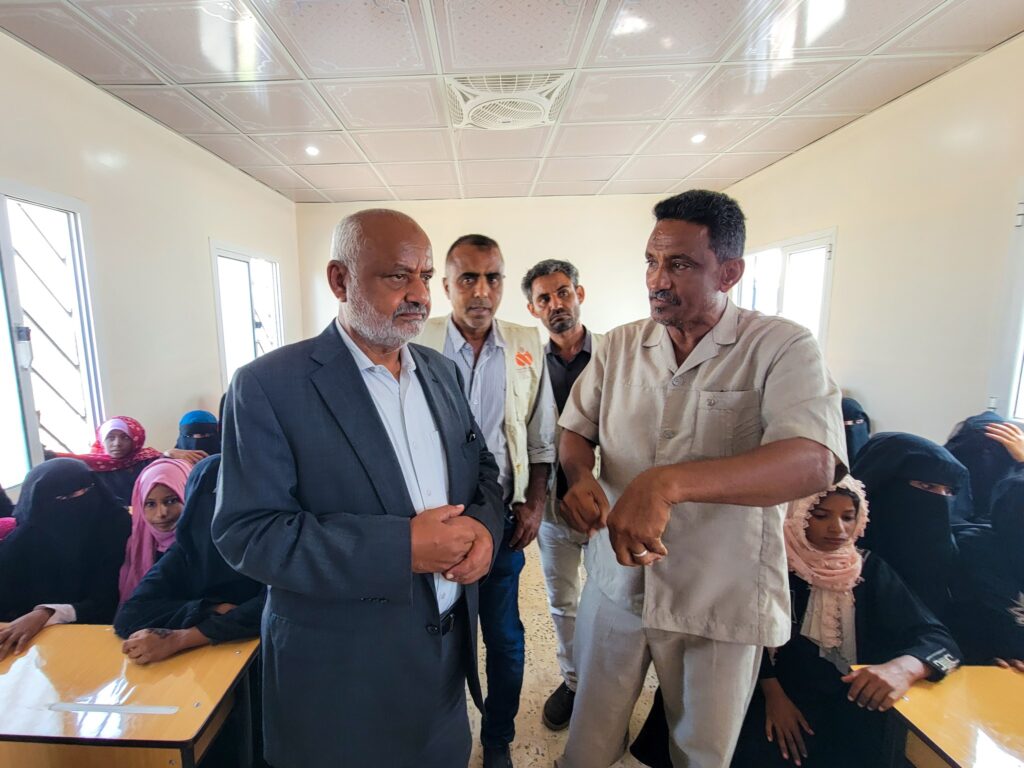
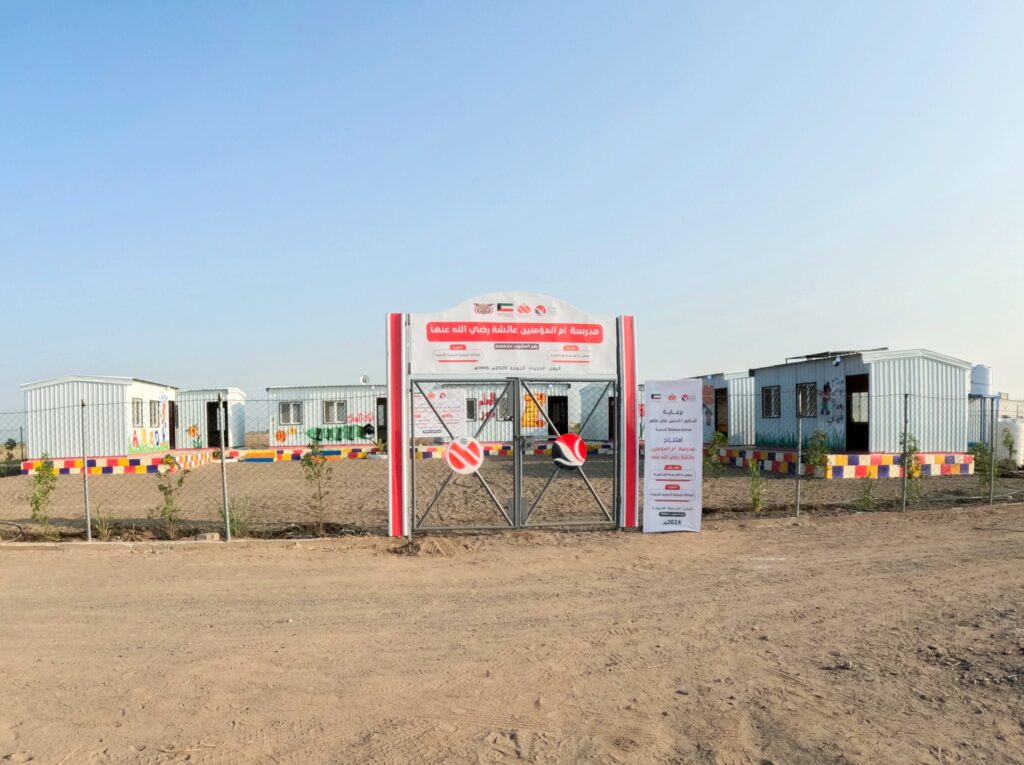
As part of the ongoing efforts to enhance the education sector in Hudaydah Governorate, the “Umm Al-Mu’minin Aisha School” has been officially opened. The opening ceremony was attended by Hudaydah Governor Dr. Hassan Taher, who emphasized the significance of this project in improving the educational environment and supporting academic excellence.
The new school represents a significant step toward providing a modern educational environment that meets the academic needs of students. It aims to support academic achievement and build a generation capable of facing future challenges and achieving their ambitions. The school also seeks to provide excellent educational facilities and innovative programs to help students succeed in various areas of life.
Governor Dr. Hassan Taher expressed his appreciation for the initiative implemented by the Rahma World Association in collaboration with Yemen International Agency for Development, praising the project’s role in improving the educational level in the governorate.
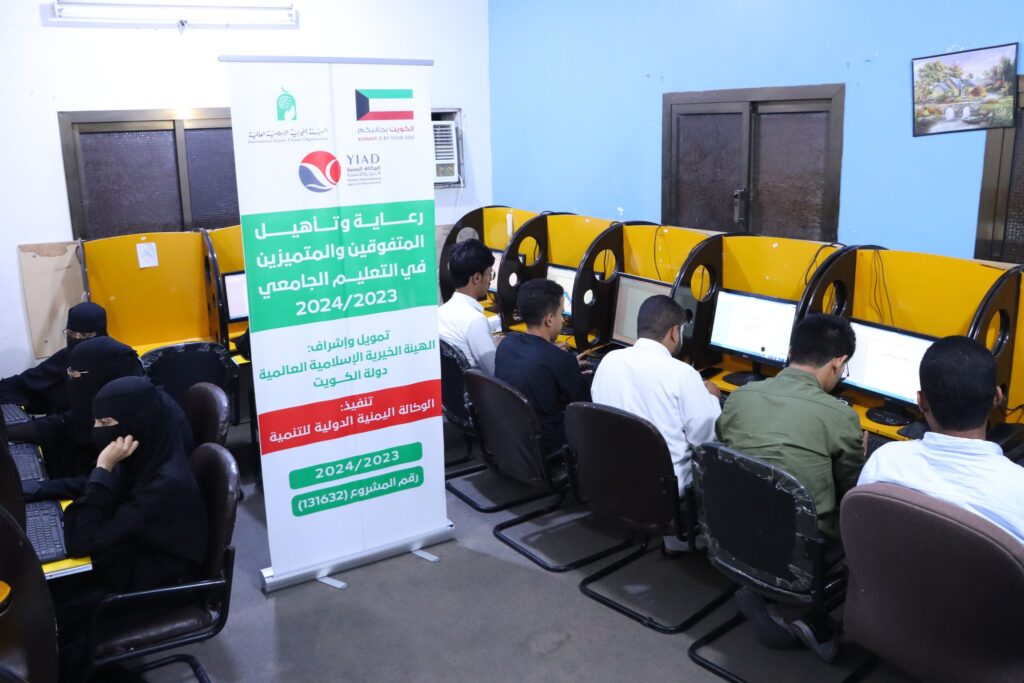
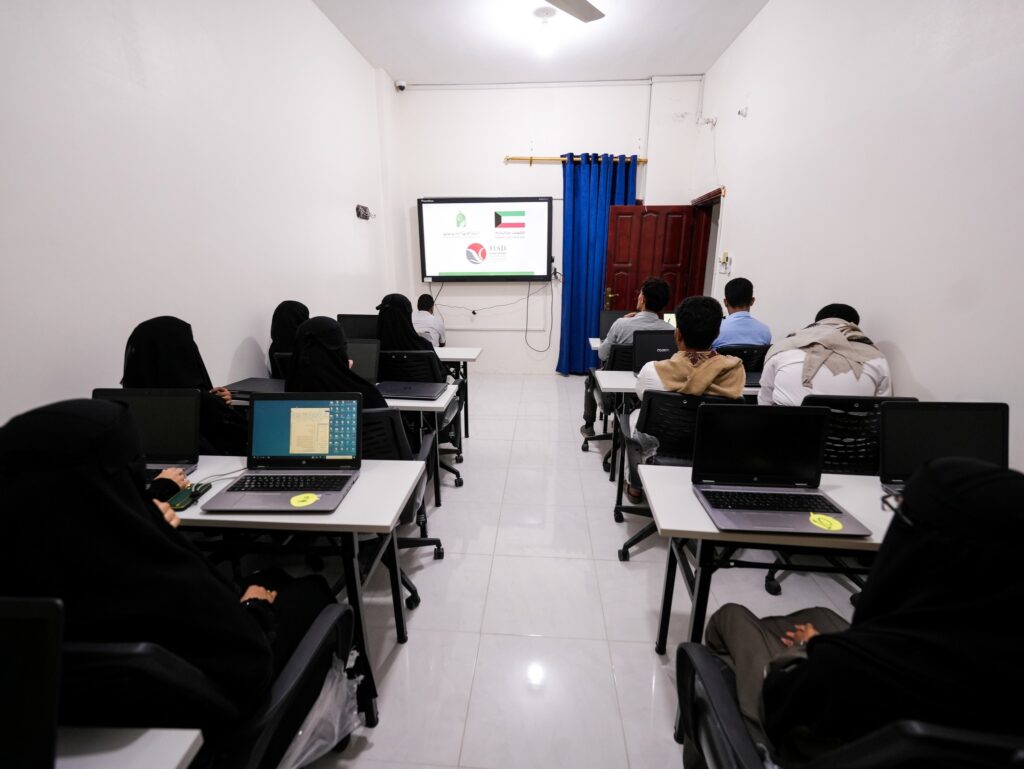
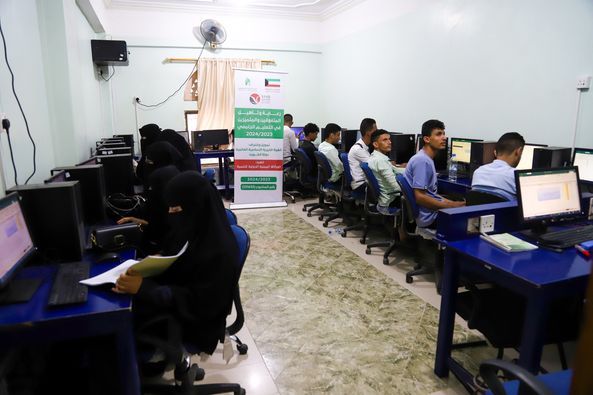
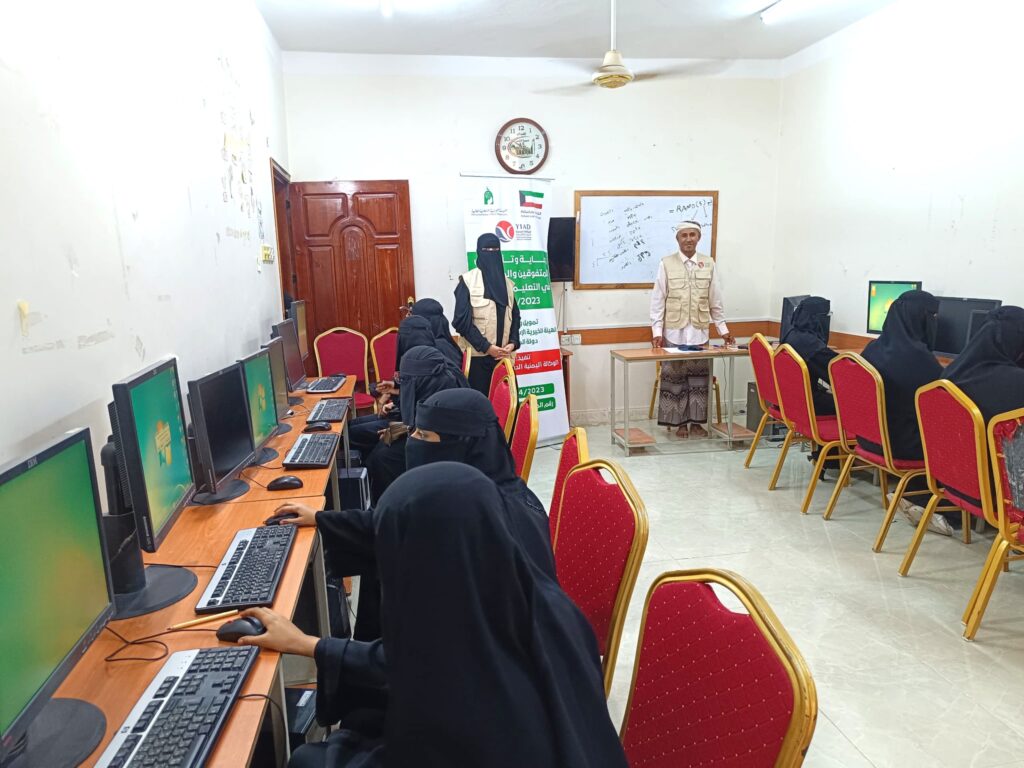
A workshop on the Computer Driving License was held as part of the “Gifted Student Sponsorship” project, overseen by the Yemen International Agency for Development across four Yemeni governorates. This training brought together 80 students from different educational levels, aiming to develop their technical skills and provide them with fundamental knowledge in computer usage, enriching their academic knowledge and skills.
This workshop is part of the scheduled activities within the “Gifted Student Sponsorship” project, which strives to empower youth and equip them with essential digital tools for today’s technological demands. During the workshop, students received training in basic computer skills, including word processing, data analysis, presentation applications, and information security, preparing them for the job market and academic research.
The project is part of YIAD’s ongoing efforts to support the educational sector in Yemen and enhance students’ academic and technical capabilities through partnerships with local and international donors.
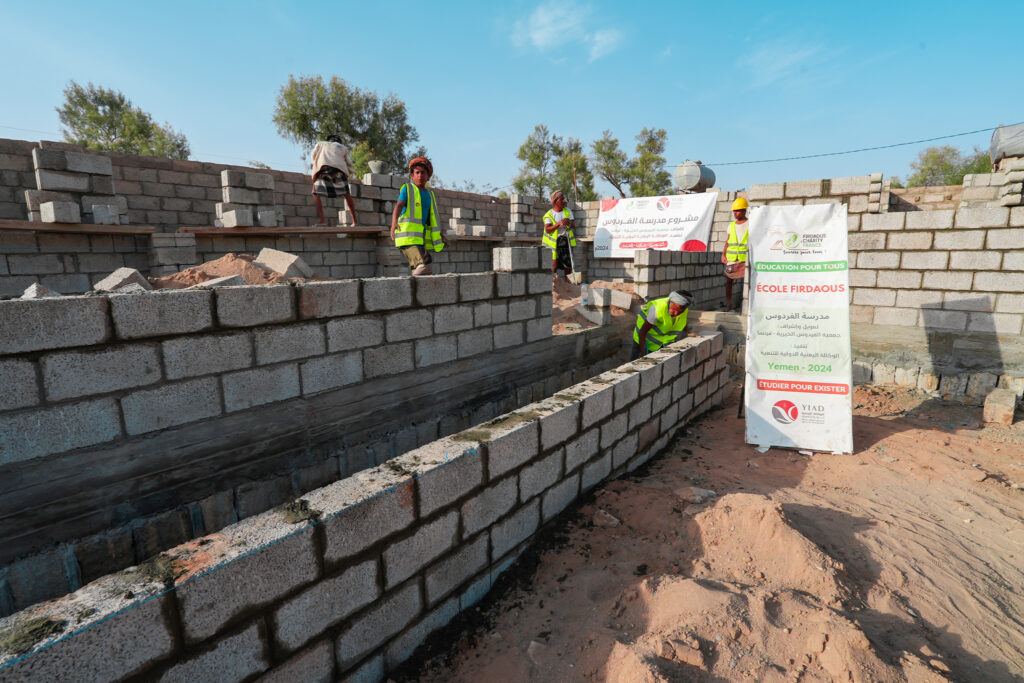
Efforts to complete the construction of “Al-Firdaws School” in Marib Governorate are reaching their final stages, with generous funding from Al-Firdaws Charity. The project aims to create a modern educational environment that supports students’ academic pursuits and provides them with the opportunity to continue their studies in a well-equipped, state-of-the-art facility. This initiative is part of ongoing efforts to enhance educational opportunities in the region and pave the way for a new generation of ambitious, well-prepared students.
The school, which serves as a modern model in its facilities and equipment, responds to the urgent need to strengthen educational infrastructure in Marib. The project seeks to offer students an environment that meets their academic needs and encourages excellence. This endeavor is also a part of Al-Firdaws Charity’s commitment to supporting the education sector and empowering youth, providing them with suitable educational opportunities to foster their abilities and aspirations.
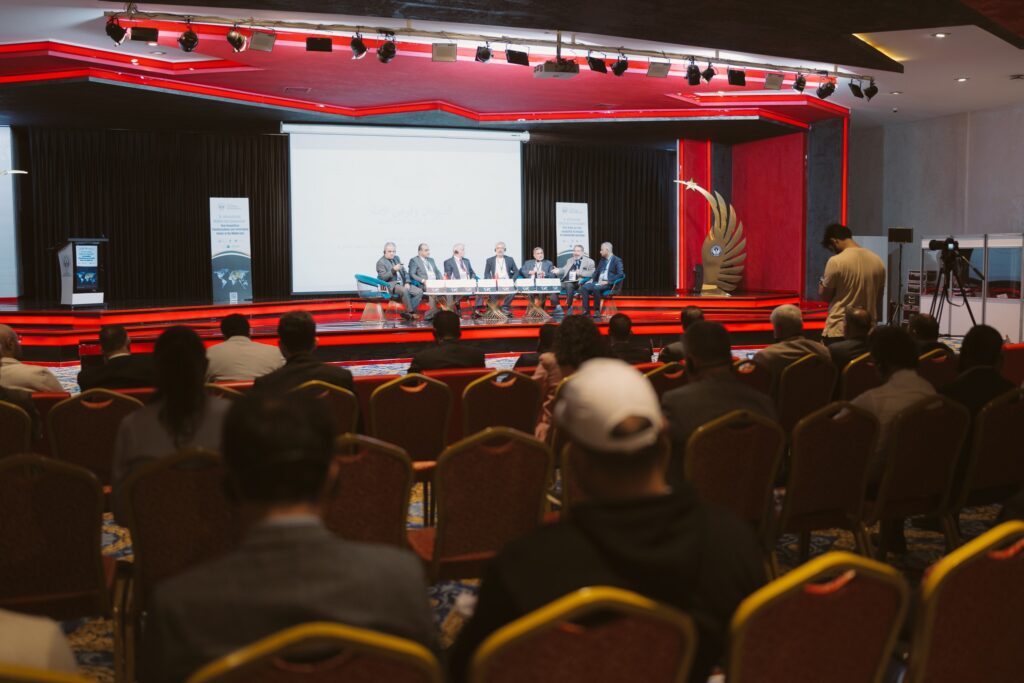
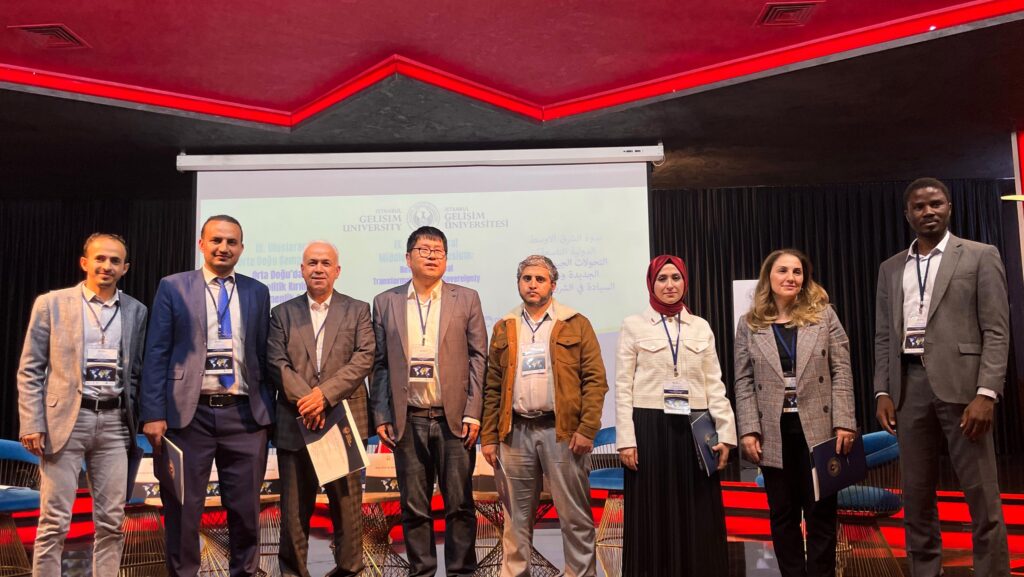
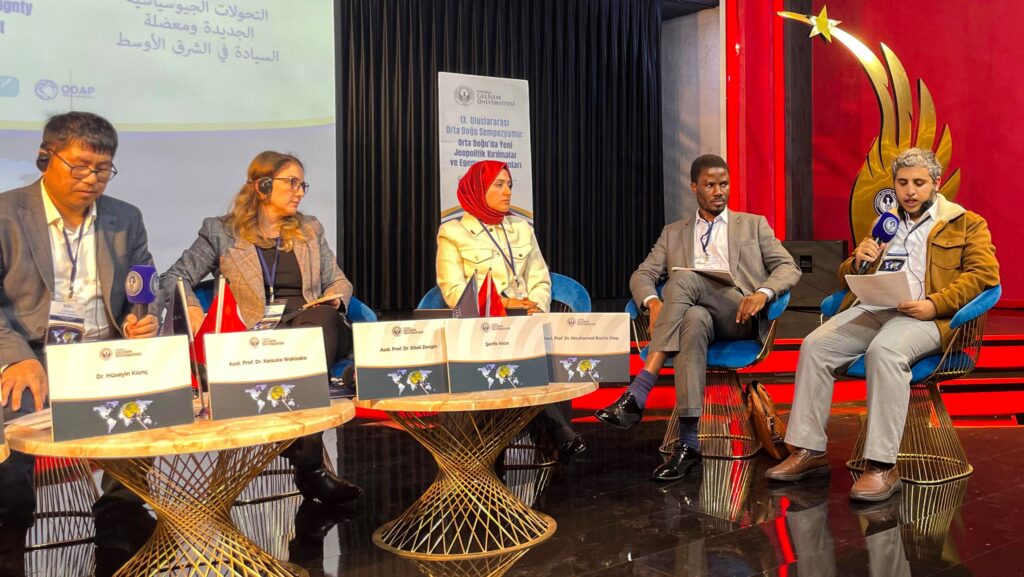
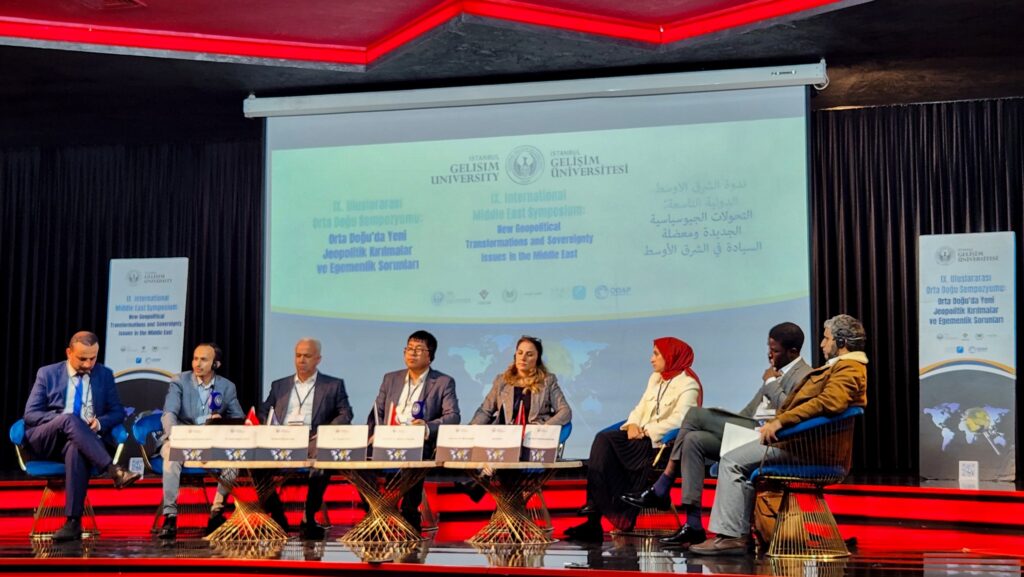
The city of Istanbul recently hosted the ninth Annual Middle East Conference organized by Istanbul Gelisim University and the Makha Center for Strategic Studies, with the participation of numerous researchers and academics from across the Arab world and beyond. The conference, held under the title “Geopolitical Shifts and the Sovereignty Dilemma in the Middle East,” aimed to discuss the key issues and transformations impacting the Middle East in light of global changes.
During the conference, researcher Hudhayfah Al-Humaidi presented his paper titled “The Reality of Islamic Microfinance Banks amid the Yemeni Crisis,” addressing the challenges and advantages that Islamic microfinance banks in Yemen face amidst challenging economic conditions. Researcher Mohammed Al-Dhaibani presented his paper titled “The Role of Murabaha Financing in Achieving Sustainable Development Goal Eight,” which explored the impact of Murabaha financing on fostering economic growth and contributing to sustainable development.
Both researchers are graduate students in the Talented Youth Support Program by the Yemen International Agency for Development – Turkey (YIAD), funded by the International Islamic Charitable Organization of Kuwait. The program seeks to support and develop Yemeni talent across various academic and research fields, enabling them to make scientific and research contributions that benefit their communities.
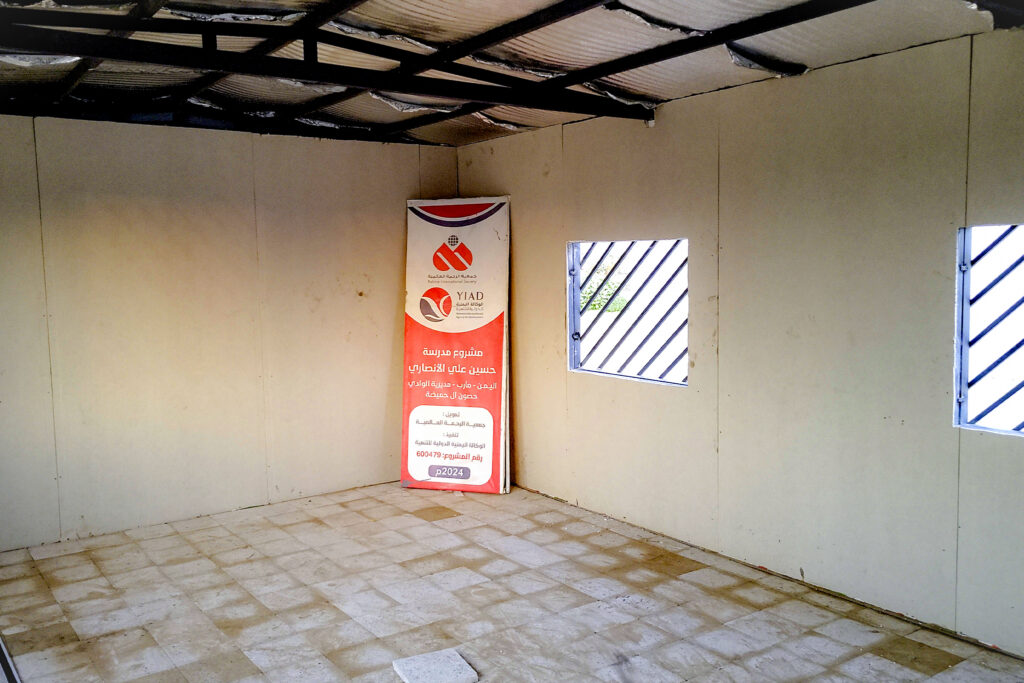
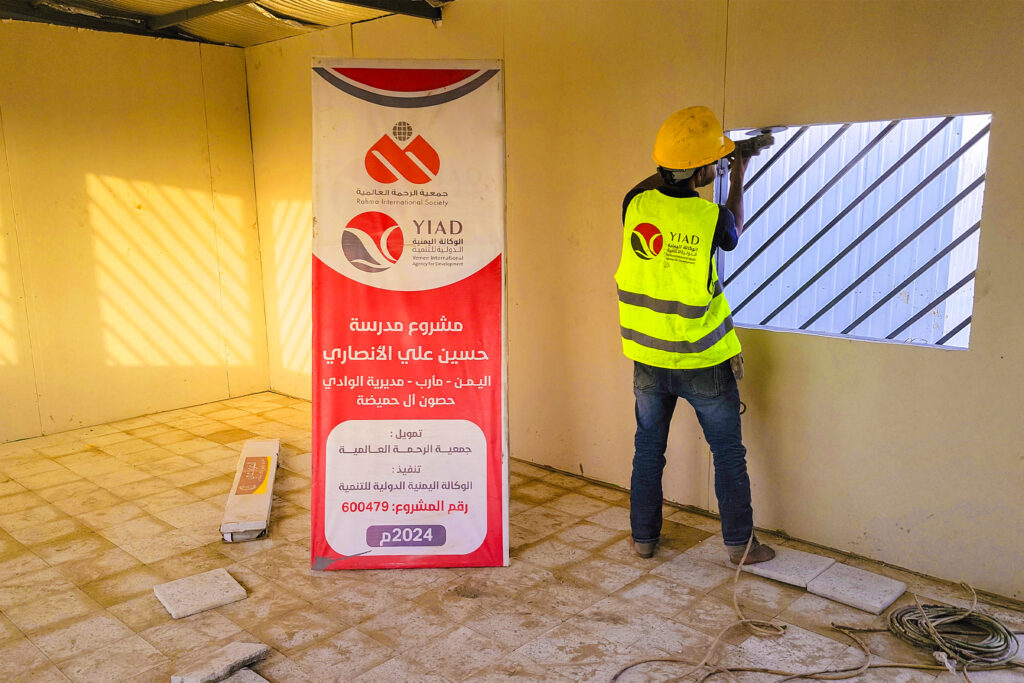
The Yemen International Agency for Development continues the construction of Hussein Al-Ansari School in Ma’rib, funded by the Al-Rahma International Association. This project aims to create a modern educational environment that supports academic excellence and skill development, equipping students to face future challenges.
The project is part of YIAD’s ongoing efforts to develop the education sector by improving school infrastructure and ensuring the provision of a distinguished learning environment. It includes all necessary facilities to provide a comprehensive educational space that enhances the quality of education in the targeted areas.
These efforts reflect the agency’s commitment to addressing the growing needs in Yemen’s education sector, focusing on creating an inspiring environment that fosters creativity and academic success.
The Yemen International Agency for Development has signed cooperation agreements to implement a series of cultural projects aimed at enhancing cultural activities and supporting community initiatives in various regions of Turkey. These projects seek to develop the cultural sector and foster community engagement through a wide range of activities.
The agreements were made in collaboration with four leading cultural and developmental institutions: Alem Academy of Sciences, Mishkat Foundation, Tabsira Center, and Balqis Yemen Association. These projects aim to provide direct support to the community through initiatives that promote cultural engagement and social awareness, alongside organizing developmental events and activities to benefit various segments of the population.
In this context, emphasized the importance of partnering with these institutions to execute projects aligned with its mission to enhance social and cultural development and support initiatives that contribute to building a more aware and progressive society.
As part of efforts to strengthen humanitarian and development partnerships, Dr. Abdelraqib Abbad, President of the Yemen International Agency for Development, received a delegation from Al-Rahma International Charity at the agency’s headquarters in Turkey. The delegation included Dr. Jamal Al-Razi, Director of Al-Rahma International Charity’s office in Turkey, and Engineer Firas Basmahji, Director of the Projects Department at Al-Rahma Global Foundation.
During the meeting, the two sides discussed ways of mutual cooperation in implementing humanitarian and development projects aimed at supporting the most vulnerable groups. The discussions also focused on expanding strategic partnerships to enhance work in the education, health, and economic empowerment sectors, contributing to sustainable development.
At the conclusion of the meeting, both parties emphasized the importance of strengthening relations and continuing joint work to achieve humanitarian goals that serve and support local communities.
As part of ongoing efforts to enhance the education sector in Yemen, construction of Al-Firdaws School in Marib Governorate continues, funded by the generous support of Al-Firdaws Charity Association. This project aims to provide a modern educational environment that meets the needs of students and addresses the requirements of contemporary education. The new school will feature advanced facilities and educational tools that help in developing students’ skills and delivering high-quality education. This project is part of a series of initiatives aimed at supporting education and community development, and it is expected that the school will significantly contribute to improving the quality of education in the region.
The project organizers expressed their optimism about the future of the students at Al-Firdaws School, highlighting the importance of providing educational environments that encourage innovation and the development of individual skills. This project embodies part of Al-Firdaws Charity Association’s strategic vision in supporting education and contributing to building an educated and aware generation.
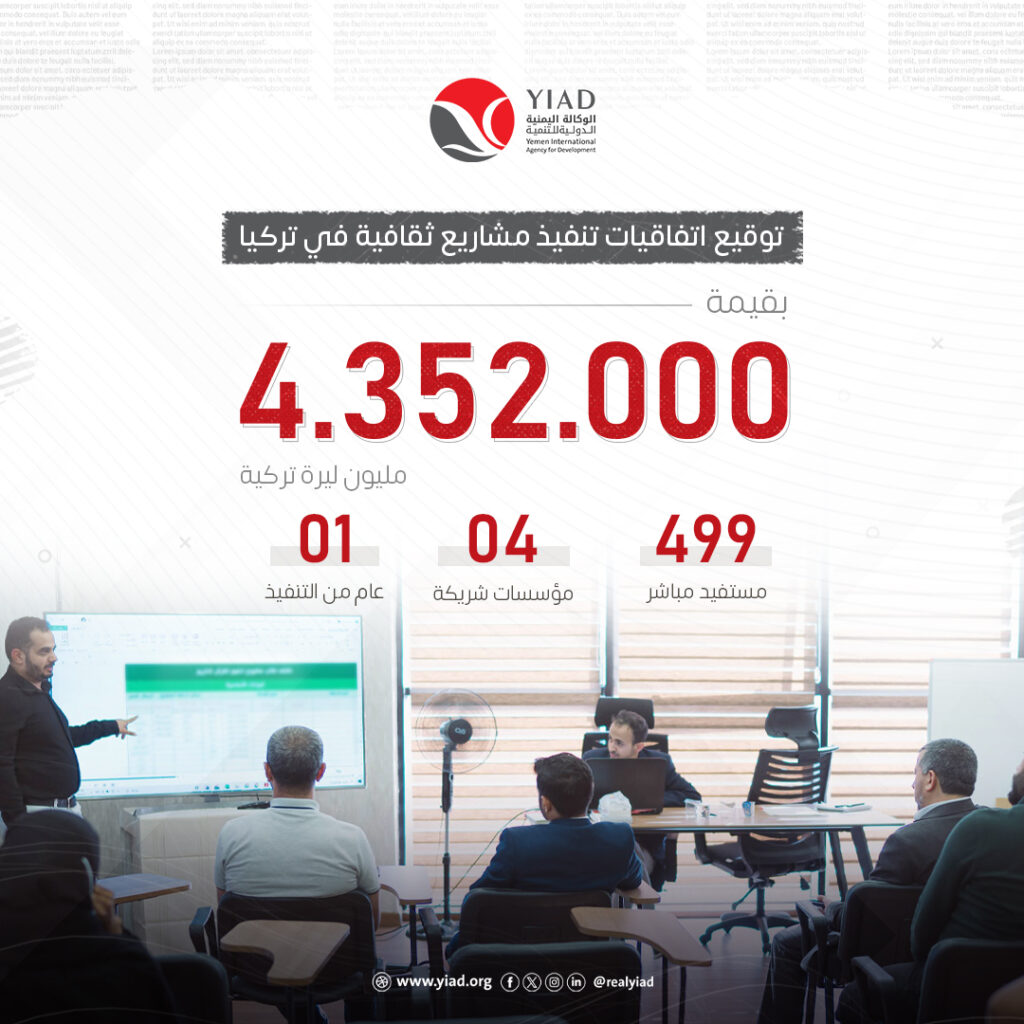
As part of its efforts to promote cultural activities and develop community initiatives in Turkey, the Yemen International Agency for Development (YIAD) in Turkey has signed agreements to implement cultural projects worth 4,352,000 Turkish Lira. These projects aim to directly support 499 beneficiaries with the participation of 4 partner institutions in their implementation.
The duration of the projects will extend for one full year, with the objective of supporting the cultural sector in Turkey, focusing on the development of initiatives that empower local communities. These projects aim to enhance cultural events that contribute to raising cultural awareness and increasing interaction among different segments of society.
Through these agreements, YIAD seeks to create a positive and sustainable impact on the cultural scene, supporting activities and initiatives that enhance cultural identity and develop community capacities.
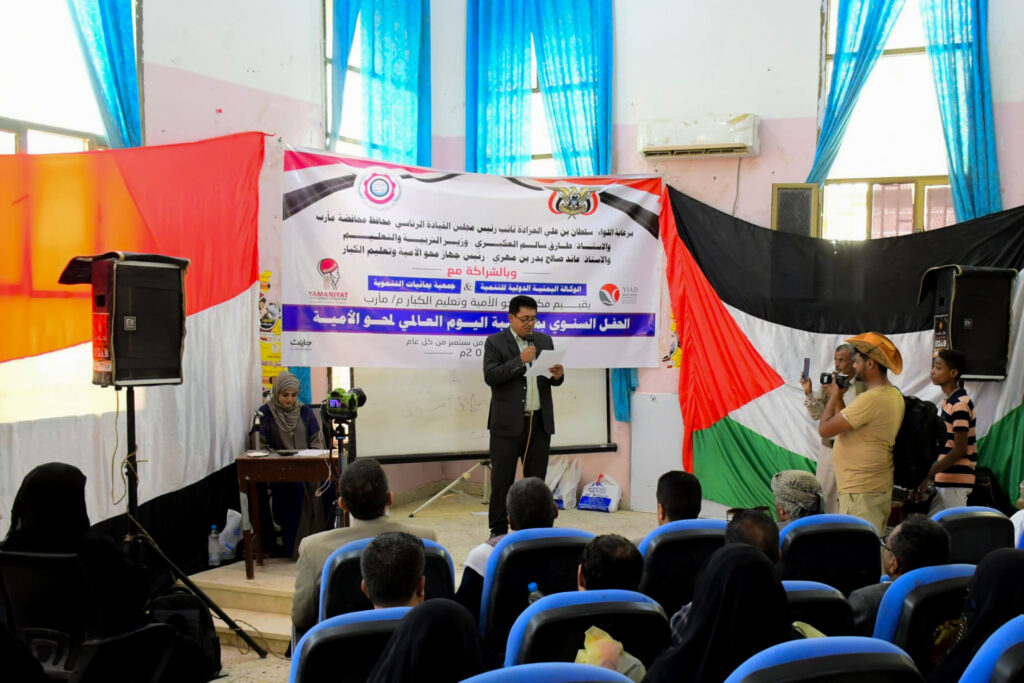
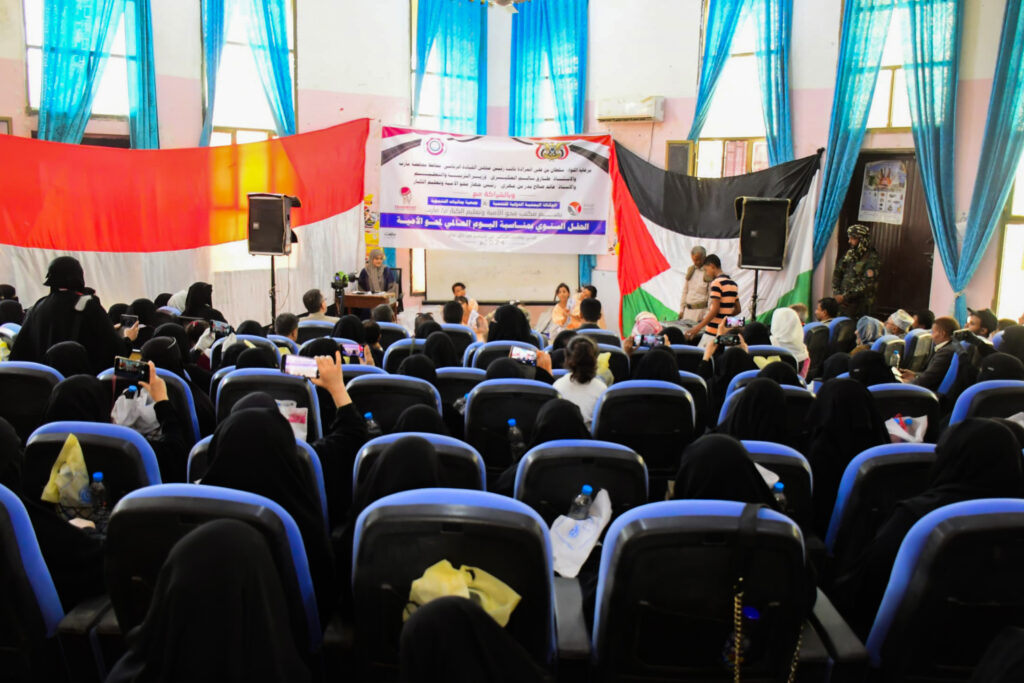
The Yemen International Agency for Development (YIAD) took part in the World Literacy Day celebrations in Marib Governorate, in partnership with the Literacy and Adult Education Office. This event was part of efforts to raise awareness about the importance of literacy and ensure the right to education for all.
In his speech during the event, Dr. Abdulsalam Al-Salami, Executive Director of YIAD, emphasized the need to strengthen efforts to ensure the right to education for every individual. He noted that education is the foundation for building a just and sustainable society and praised the efforts of the literacy workers and teachers, acknowledging their significant role in spreading knowledge and awareness in the governorate.
Dr. Al-Salami also expressed his gratitude to all the parties involved in supporting these initiatives, which contribute to empowering individuals with essential literacy skills for their personal development and sustainable progress.
At the end of the ceremony, outstanding literacy workers were honored for their great efforts in promoting education and awareness. The ceremony was attended by officials and the public, reflecting the community’s appreciation for these vital efforts.
The Yemen International Agency for Development (YIAD) has signed a partnership agreement with the Literacy and Adult Education Office in Marib Governorate, aiming to enhance cooperation in supporting educational and developmental programs in the governorate. This partnership seeks to contribute to the development of the local community by implementing literacy projects and capacity-building initiatives, thus promoting human development in Marib.
The agreement was signed by Dr. Abdulsalam Al-Salami, Executive Director of YIAD’s Yemen office, and Mr. Munir Qassem Maqaridh, Director of the Literacy and Adult Education Office in Marib. This agreement is part of joint efforts to enhance education and empower individuals by improving their skills and knowledge, contributing to the advancement of the local community and achieving sustainable development goals.
This partnership is expected to improve the quality of education and support programs aimed at raising the skill levels of adults who need new educational and professional competencies, helping to foster social and economic growth in the region.
As part of its ongoing efforts to support education and promote sustainable development in Yemen, the Yemeni International Development Agency has announced the opening of Owais Al-Qarni School in Marib Governorate. This project represents a significant step towards providing an integrated educational environment that meets students’ needs and contributes to building a better future for the coming generations.
Owais Al-Qarni School, inaugurated in the presence of several officials and community leaders, consists of five classrooms equipped with the latest educational tools, along with other facilities including school administration and restrooms. The school has been designed to accommodate approximately 600 students, distributed over two shifts, morning and afternoon, which enhances the region’s capacity to provide education to a larger number of students.
Through this project, the Yemeni International Development Agency aims to strengthen the educational infrastructure in Marib, a region experiencing population growth due to internal displacement. By providing this school, the agency seeks to alleviate the pressure on existing schools and offer new educational opportunities for children and youth in the area.
The Yemen International Development Agency has announced the signing of a strategic cooperation agreement with Sabahattin Zaim University, aimed at enhancing higher education opportunities for graduate students from Yemen and other Arab countries.
The agreement aims to enable students to access advanced educational programs across various academic disciplines, thereby contributing to the development of their scientific and research skills. This partnership will facilitate admission and provide outstanding educational opportunities for Yemeni and Arab students, focusing on meeting their academic and professional needs.
The Yemen International Development Agency stated that this agreement is part of its ongoing efforts to support the education sector in Yemen and the Arab world, through the provision of comprehensive educational programs that contribute to building a generation of skilled individuals capable of facing future challenges.
The agency noted that this collaboration represents a significant step towards strengthening academic and scientific relations between educational institutions in the region, enhancing mutual understanding and knowledge exchange.
In conclusion, the Yemen International Development Agency reaffirmed its commitment to continuing its work in advancing higher education and supporting scientific research by establishing strategic partnerships with prestigious educational institutions like Sabahattin Zaim University, contributing to sustainable development in the region.
Yemen International Agency for Development organized a meeting at its headquarters to open the bids for the construction of Al-Firdaws School. The meeting was attended by representatives from the agency, members of the committee responsible for evaluating the submitted bids, and representatives from several competing construction companies.
The project aims to enhance the educational infrastructure in Marib Governorate and provide a suitable and high-quality educational environment for students in the region. This initiative is part of the agency’s strategy to support the education sector in Yemen by constructing and rehabilitating educational institutions and providing the necessary support to ensure the continuity of the educational process.
Through this project, the Yemen International Agency for Development seeks to enhance educational opportunities for students in Marib, contributing to sustainable development in the region. The project is expected to have a positive impact on the local community by improving the quality of education and providing modern, well-equipped educational facilities.
Yemen International Agency for Development honored Professor Dr. Abdulmutaleb Arba, Head of the Islamic Economics Department at Sabahaddin Zaim University, in recognition of his dedicated efforts and continuous cooperation with the first cohort of the Talent Development Program students during their Master’s studies at Sabahaddin Zaim University.
This honor reflects the agency’s commitment to enhancing academic partnerships and collaborating with leading educational institutions. The agency commended Dr. Arba for his significant role in supporting students, encouraging their academic excellence, and providing necessary guidance and mentorship throughout their studies.
The agency expressed its gratitude and appreciation to Dr. Arba for his ongoing efforts in developing and advancing Islamic economics and supporting Yemeni students. It also emphasized the importance of continued collaboration between the agency and Sabahaddin Zaim University in various academic and research fields, contributing to the elevation of educational standards and the development of students’ scientific capabilities.
It is worth noting that the Talent Development Program managed by Yemen International Agency for Development aims to support talented and exceptional students by providing them with educational opportunities at the best universities and academic institutions worldwide, thus preparing a generation of competencies capable of achieving sustainable development in Yemen.
Yemen International Agency for Development has signed a Memorandum of Understanding (MoU) with the Sustainability Foundation to enhance capacity development. The agreement was signed by Mr. Rushdi Bamsood, Chairman of the Board of Trustees of the Sustainability Foundation, and Mr. Zakaria Shaalan, Executive Director of the Yemeni International Development Agency in Turkey, alongside Dr. Abdulsalam Al-Salami, Executive Director of the agency in Yemen. This agreement is part of the agency’s strategy to expand its operations both internally and externally by strengthening partnerships with local and international organizations, aimed at supporting development and economic empowerment programs.
Yemen International Agency for Development – Turkey has concluded the First Scientific Forum for Talented Students, with participation from leading scientists, academics, and both international and local institutions. The forum also featured a graduation ceremony for the first cohort of students from the Talent Development Program at the Master’s level.
The President of the Yemen International Agency for Development – Turkey, welcomed Mr. Abdullah Salem Abeh, the Executive Director of the Aoun Relief and Development Coalition – Yemen. The discussion focused on the educational and economic challenges in Yemen, with an emphasis on joint cooperation to improve the quality of education and community empowerment to achieve effective results.
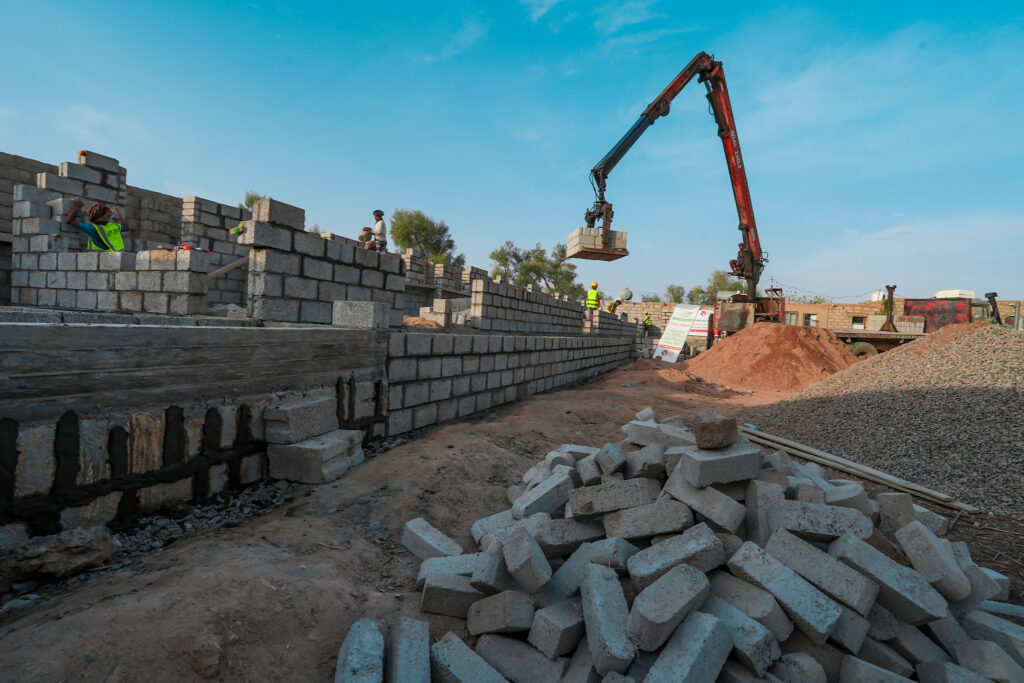
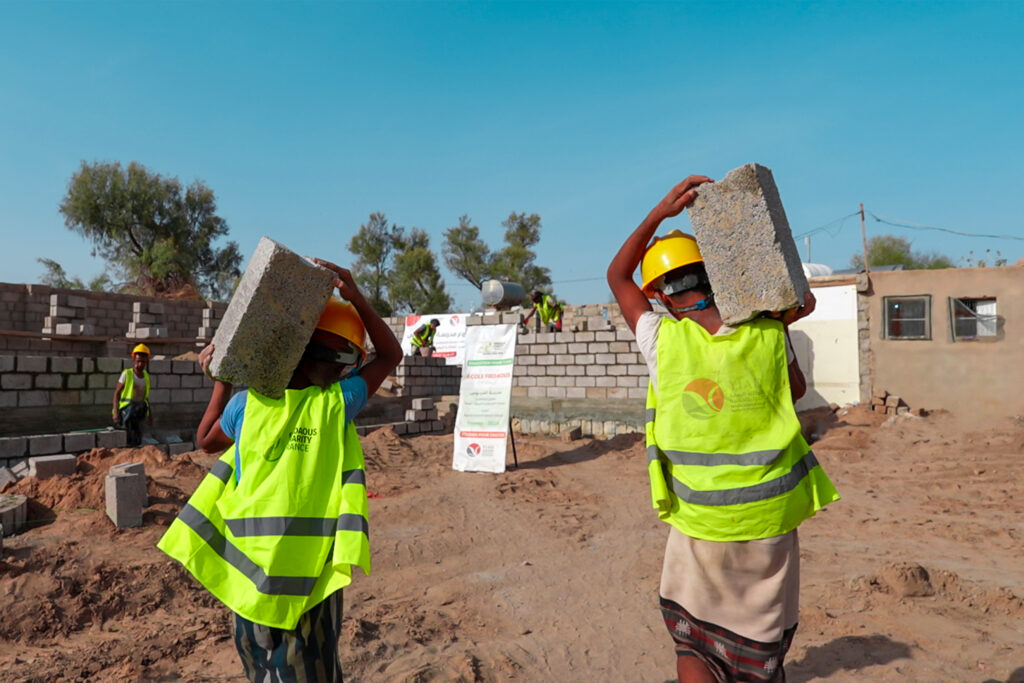
As part of its ongoing efforts to support education, the Yemen International Agency for Development has commenced the construction of Owais Al-Qarni School in Marib Governorate. The project has successfully completed the first phase, which included excavation and foundation work.
The agency aims through this project to support students and provide a comprehensive educational environment to ensure the continuity of the educational process in the governorate.
The Gifted Talents Center, part of the Yemen International Agency for Development, has concluded its Community Leadership Empowerment Program, which lasted for three days. The program aimed to enhance the leadership skills of participants and develop their core competencies for effective community involvement.
The program began with a training session on effective communication skills led by Trainer Yasser Al-Sayed Omar. On the second day, Strategic Expert Engineer Shahab Al-Ariqi conducted a workshop titled “Essential Management Skills.” Al-Ariqi continued on the third day with a course on “Modern Management Skills.”
The program saw participation from student union leaders, reading club presidents, and youth initiative heads.
This morning, Sunday, a meeting was held at the headquarters of the Yemen International Agency for Development to open bids for the Oweis Al-Qarni School project.
The meeting was attended by representatives of the agency, the committee formed to select the best proposal, and representatives of 13 companies and contracting offices that submitted bids for the project.
The meeting was opened with a speech by Dr. Abdulsalam Al-Salami, the director of the agency, who welcomed the attendees and explained the importance and objectives of the project. During the meeting, the bids for the project were opened, and the evaluation process was initiated by the relevant committee, according to the criteria and conditions specified in the project documents.
It is expected that the winning company for the project will be announced in the coming days. It is worth mentioning that the Oweis Al-Qarni School project is one of the educational projects to be implemented by the Yemen International Agency for Development in Marib Governorate, aiming to provide a suitable educational environment for students in the region.
The meeting was also attended by Dr. Jamal Qahtan, the director of programs and projects at the agency.
Funded by Kaaf Humanitarian, the Yemen International Agency for Development (YIAD) has inaugurated the Barhout School in Al-Sum District, Hadramout Governorate. The school consists of five classrooms, an administration room, and two restrooms. It has the capacity to accommodate 400 students in two shifts. This project comes as part of the Agency’s interventions in the education sector, and its commitment to sustainable projects that benefit future generations.
Under the supervision of the World Islamic Charitable Organization in Kuwait and with generous funding from the heirs of the Luluat Ahmed Albahar , the Yemen International Agency for Development inaugurated the Pearl of the Sea School in the governorate of Abyan.
This initiative is part of a continuous commitment to enhance the educational infrastructure and provide a stimulating learning environment for students. The school aims to deliver high-quality education and provide unique learning opportunities for the youth in the Abyan governorate.

Luluat Albahar SchoolLuluat Albahar SchoolLuluat Albahar School classesLuluat Albahar School classesOpening Luluat Albahar School Opening Luluat Albahar School
Yemen International Agency for Development held a closing session for students enrolled in the Tamkin English Language Learning Program. The session included a workshop to enhance the program, and students presented showcases demonstrating their linguistic abilities, competing for the title of the best speaker. Outstanding students in the program were also honored for the year 2023.
Mr. Abdulwase Shadad, the Director of the Education Office, inaugurated the school bag and uniform distribution project at the Al-Hakimi Martyrs School in Taiz Governorate. This project is funded by the International Islamic Charitable Organization of Kuwait and implemented by the Yemeni International Development Agency. It aims to assist 106 orphaned students in the secondary stage in the city’s districts.
During the inauguration, Mr. Abdulwase Shadad emphasized the importance of such projects in supporting the education sector and encouraging students to continue their education while overcoming the obstacles they face. This is achieved by providing them with school bags and uniforms. He noted that projects like this have a significant impact on enhancing the motivation of students, especially orphans, to continue their learning.
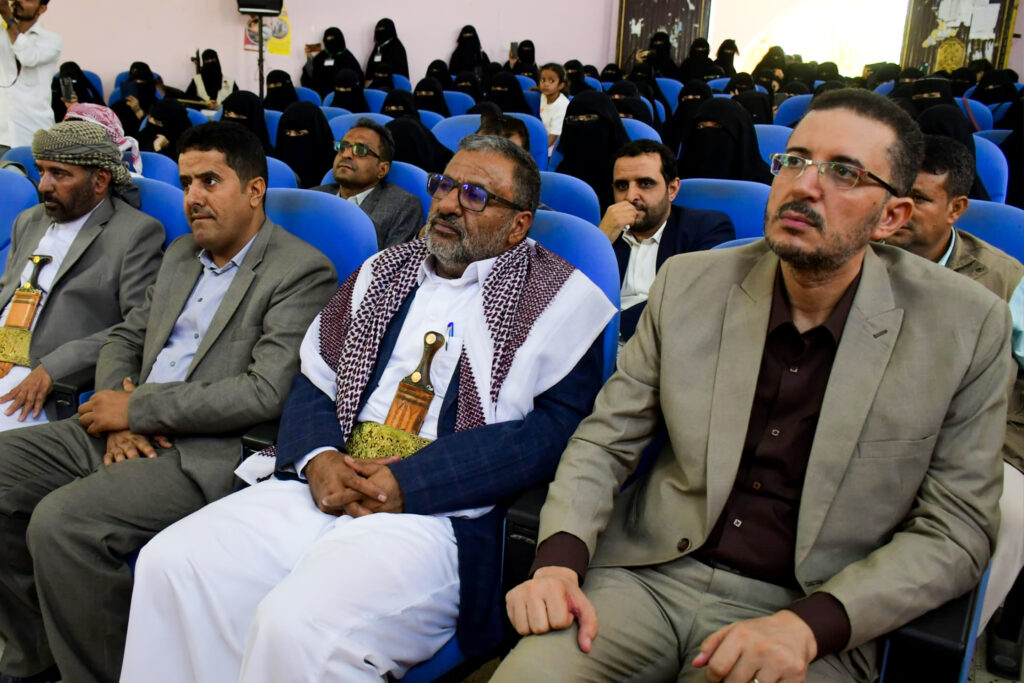
On the other hand, Mr. Mohammed Nasser, the representative of the Yemeni International Development Agency, mentioned that this initiative is part of the agency’s educational interventions for the year 2023. The project aims to support and motivate orphans in the secondary stage for the current academic year.
It’s worth mentioning that the project includes the distribution of comprehensive school bags, school uniforms, and coverage of educational fees. Additionally, it involves the implementation of various specialized educational activities and programs to enhance the skills of orphans and motivate them to continue their educational journey.
The inauguration was attended by Mrs. Samiha Abu Al-Surur, the director of Al-Hakimi Martyrs School, and several teachers.